Hear the Queer Appear
Photos and video: John Allen
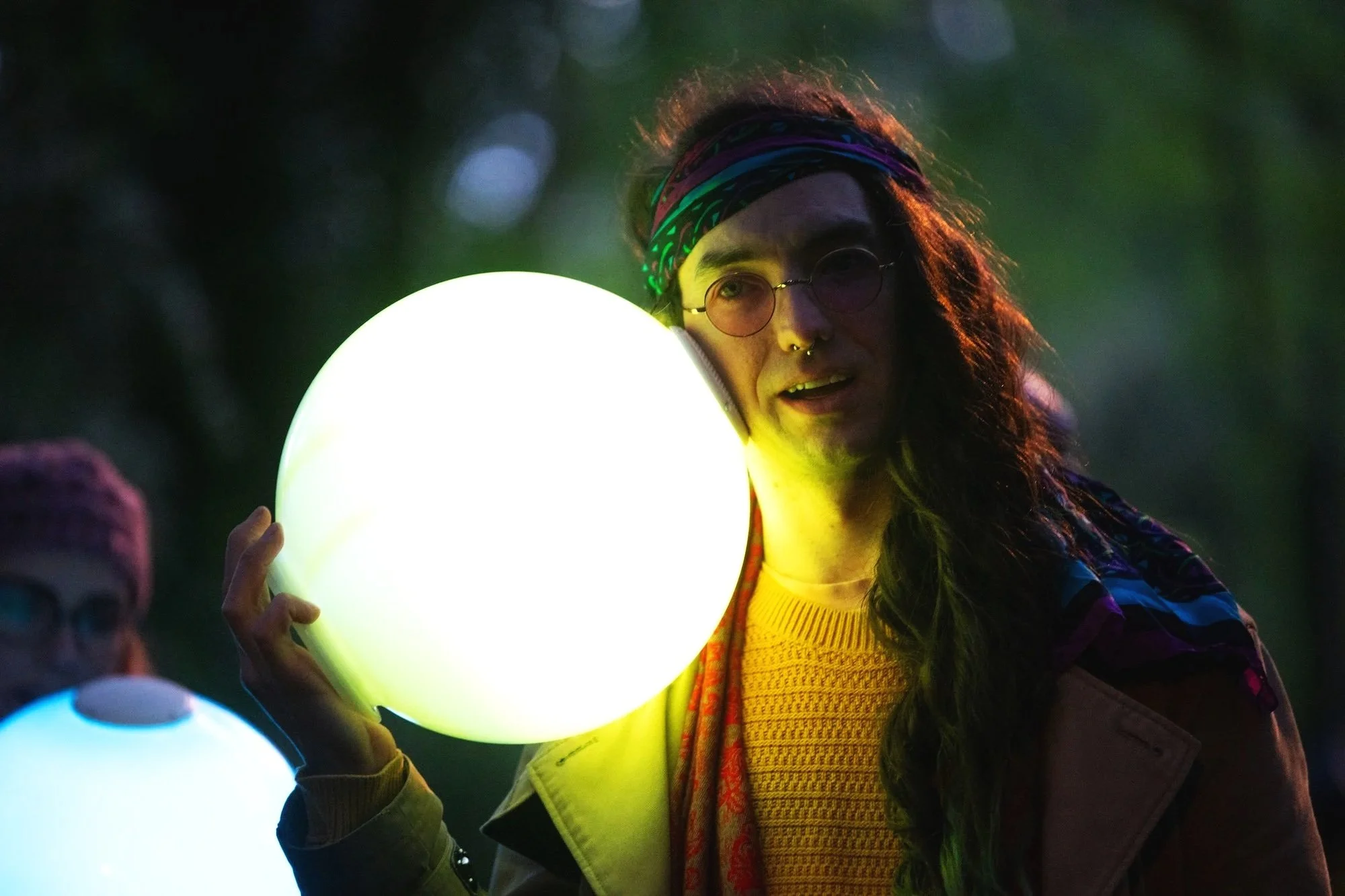
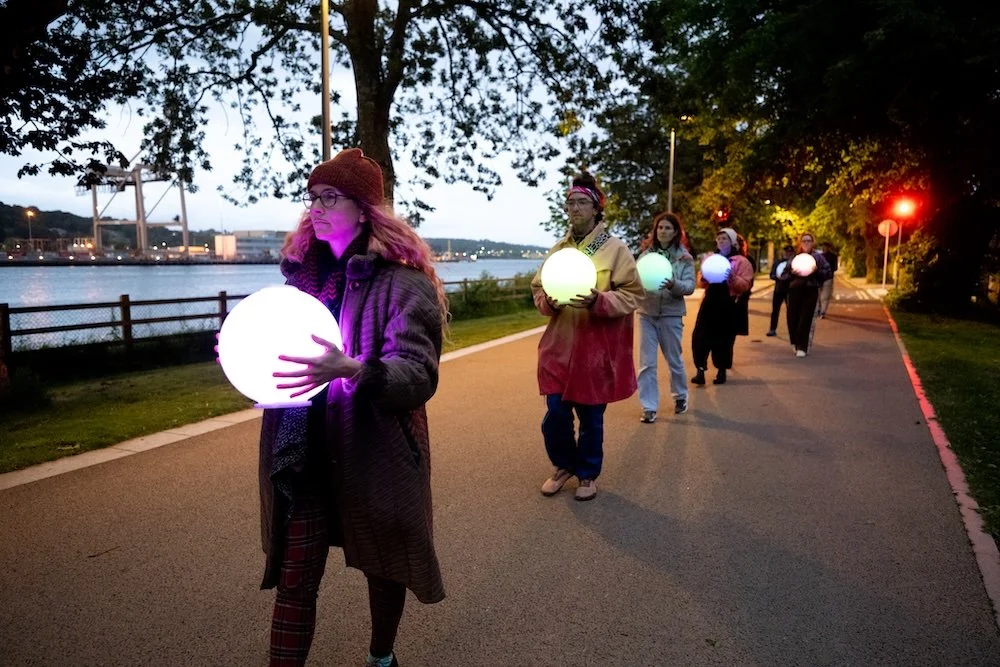
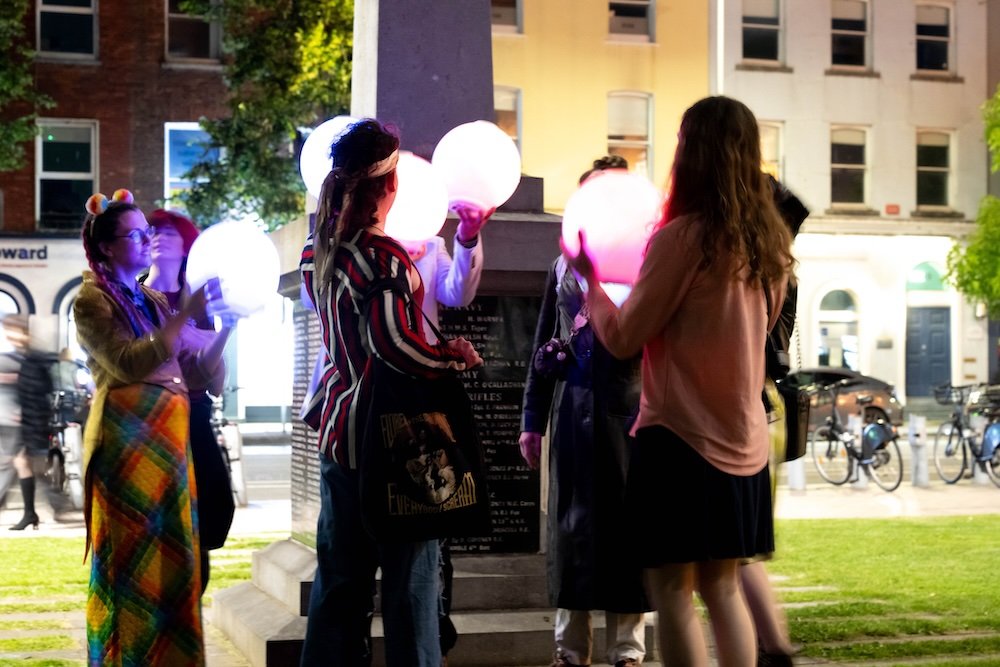
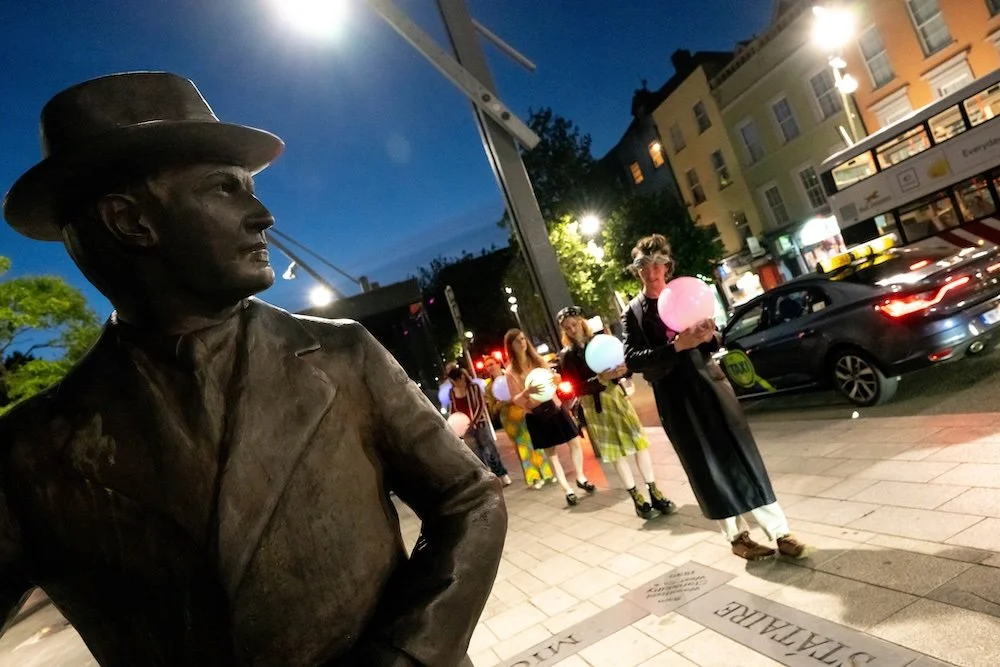
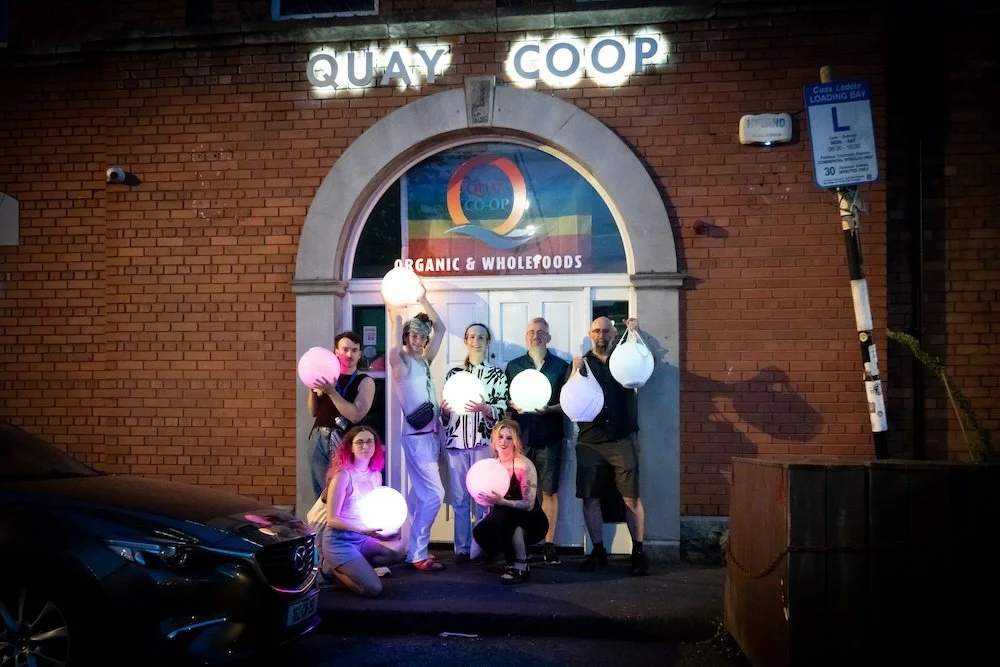
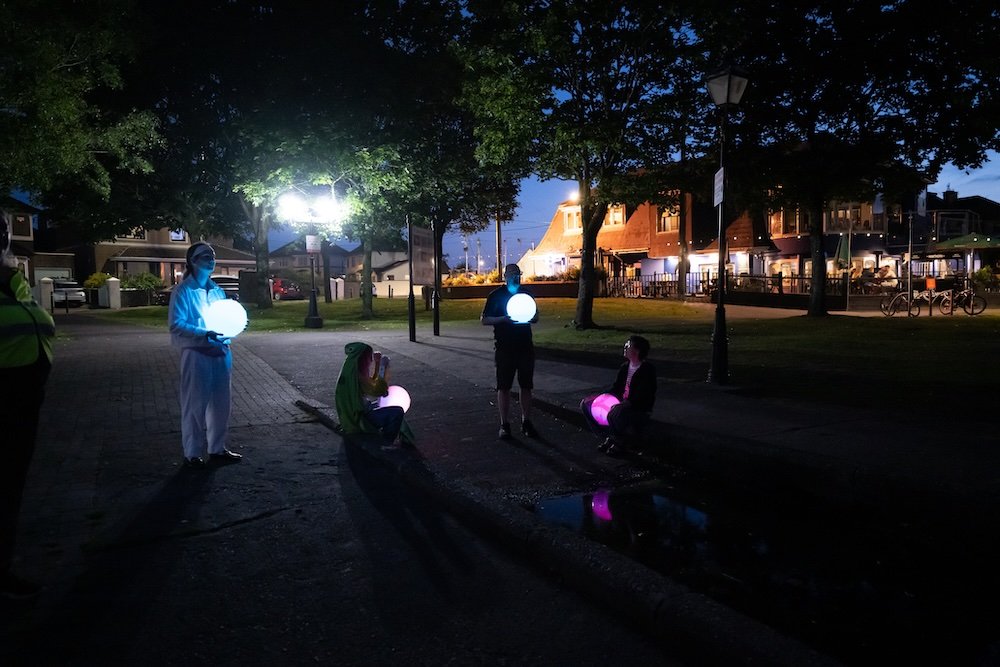
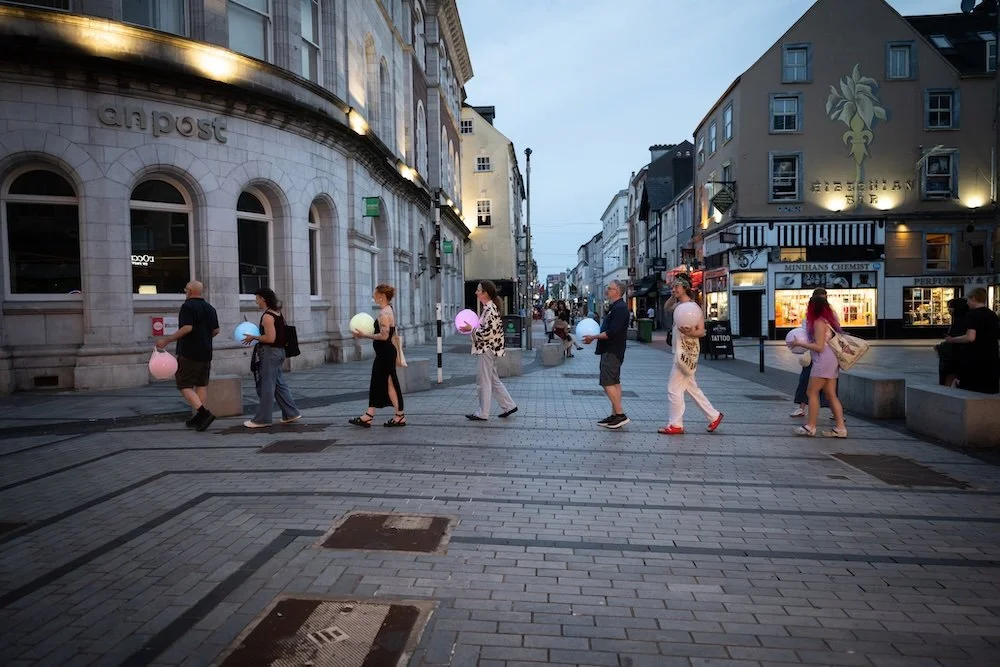
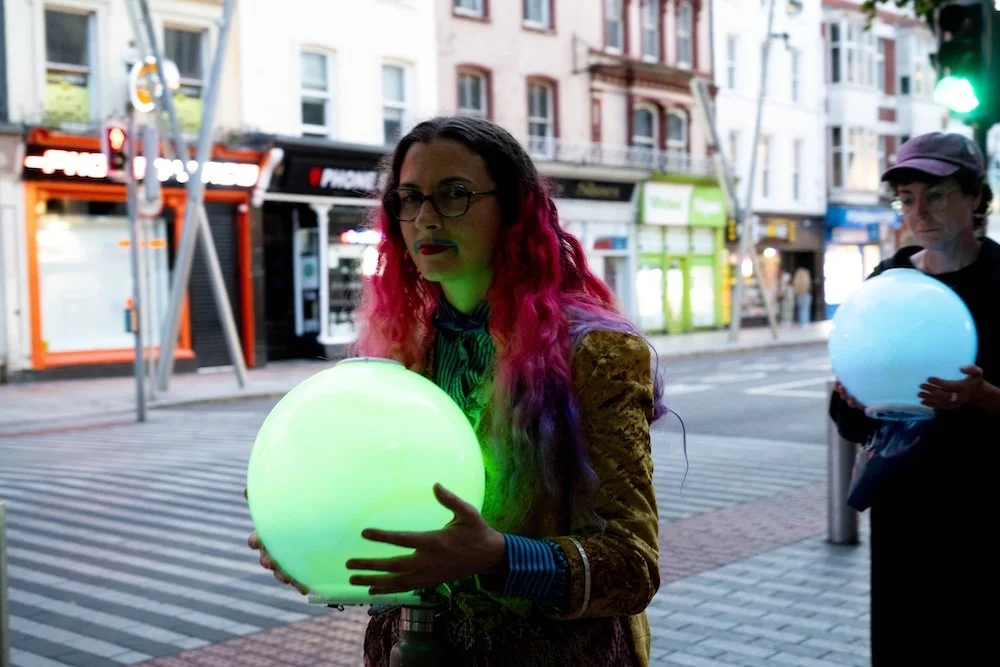
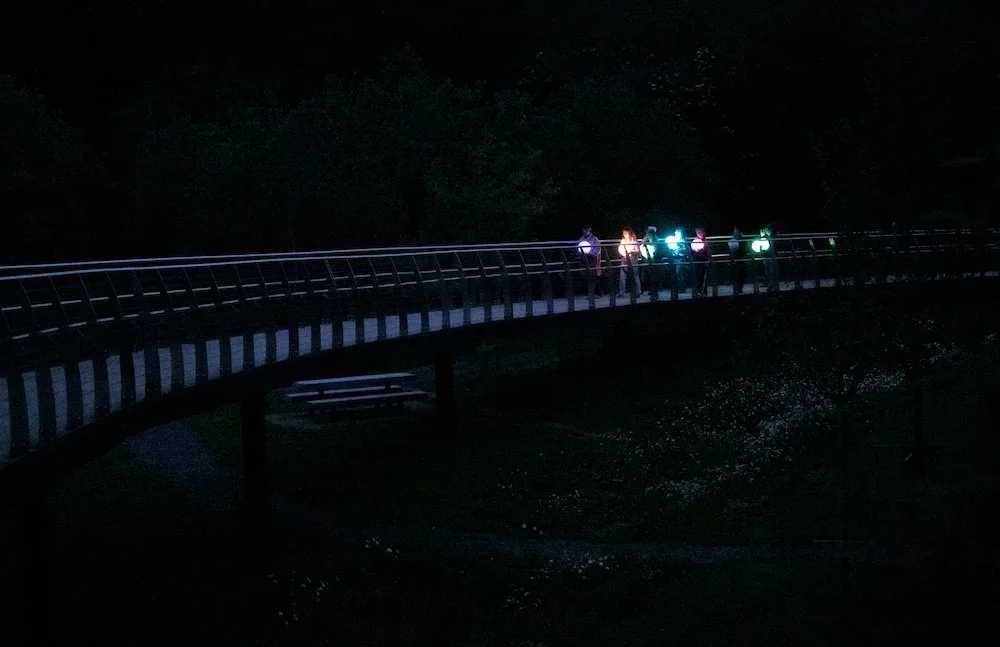
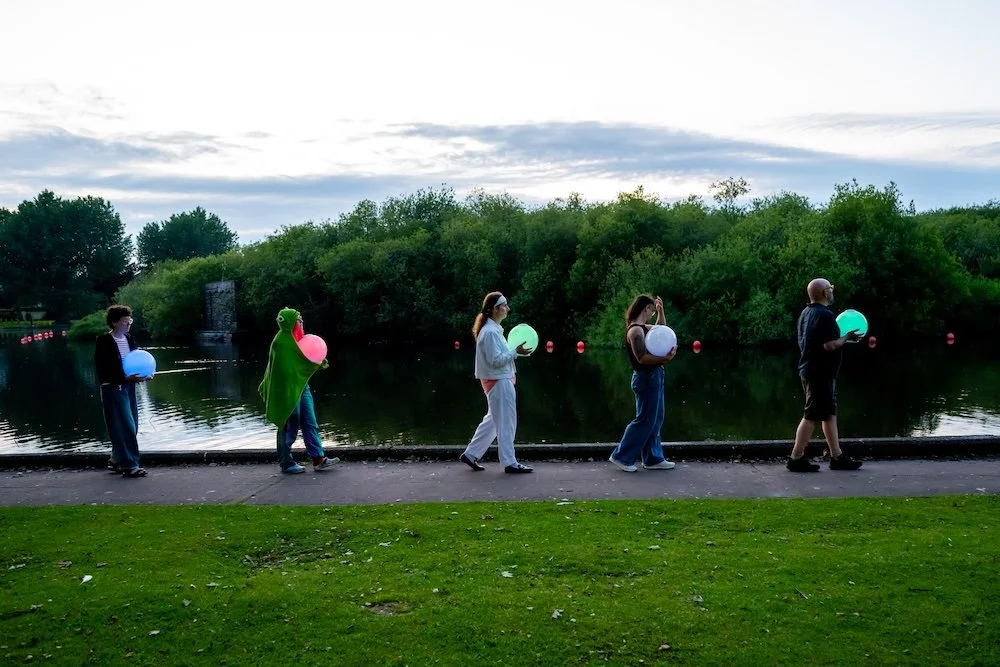
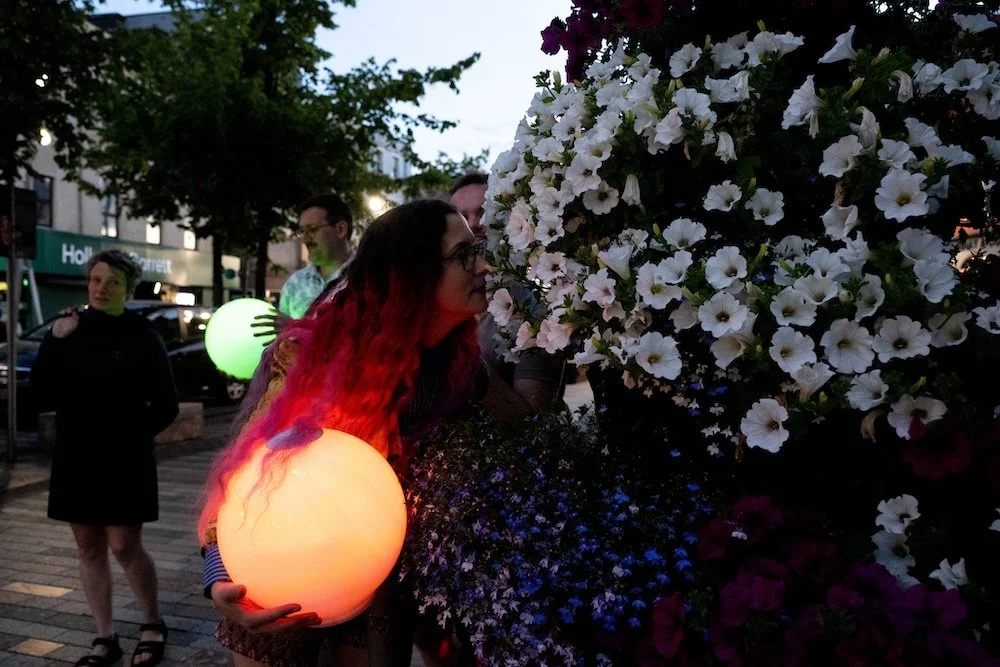
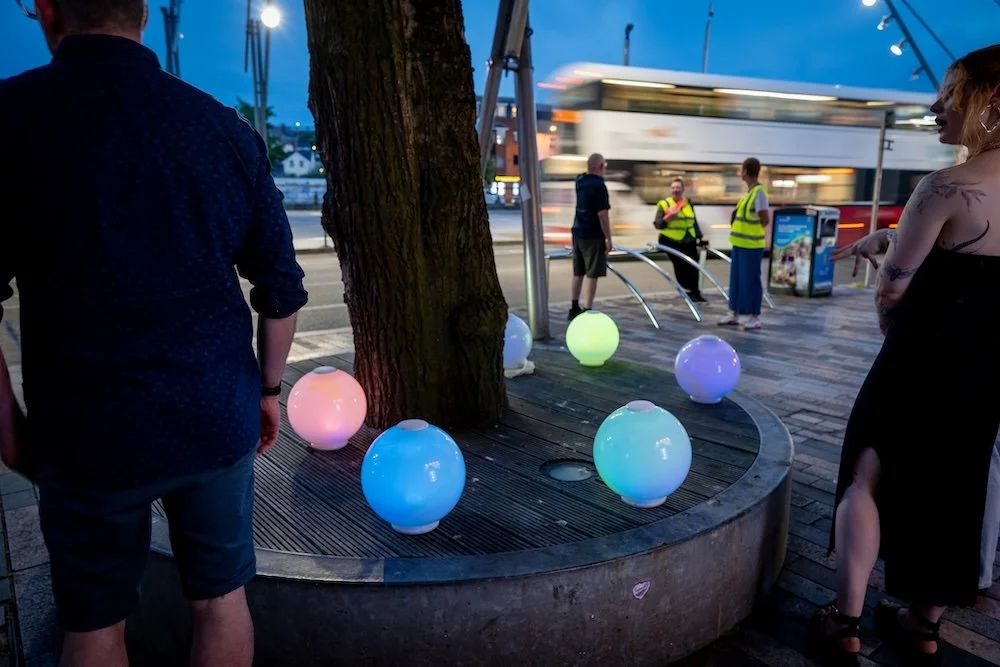
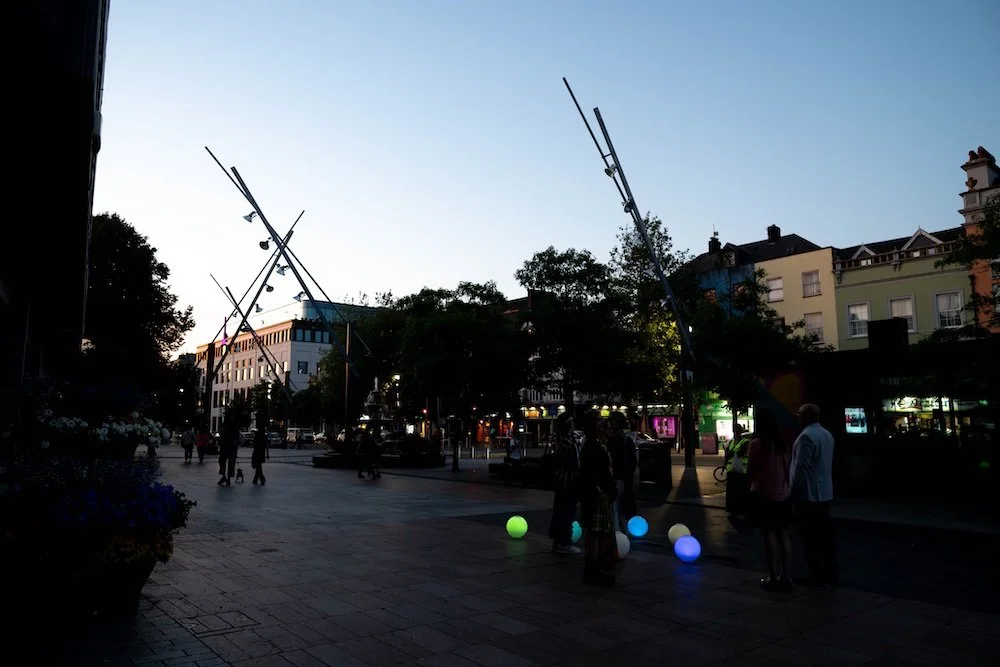
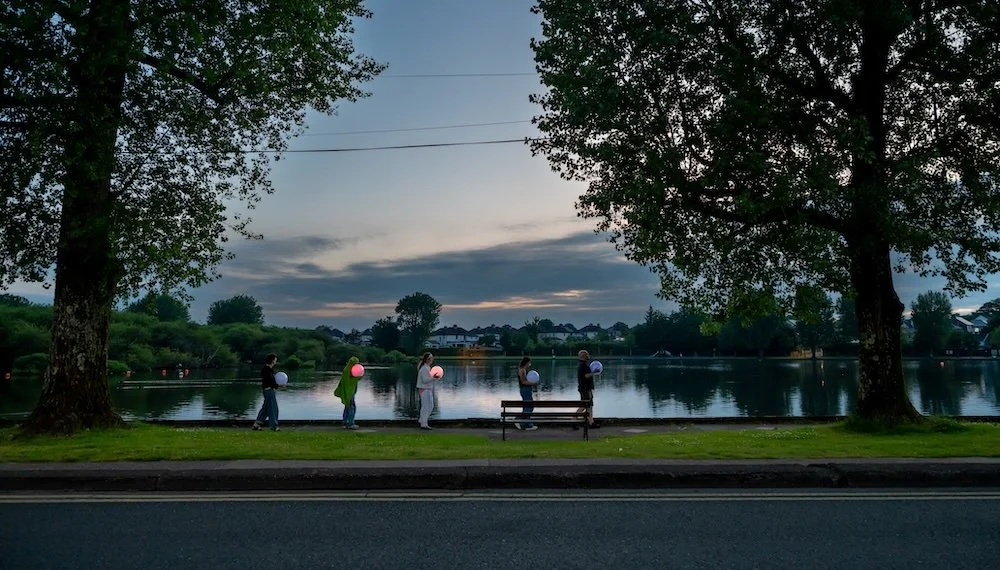
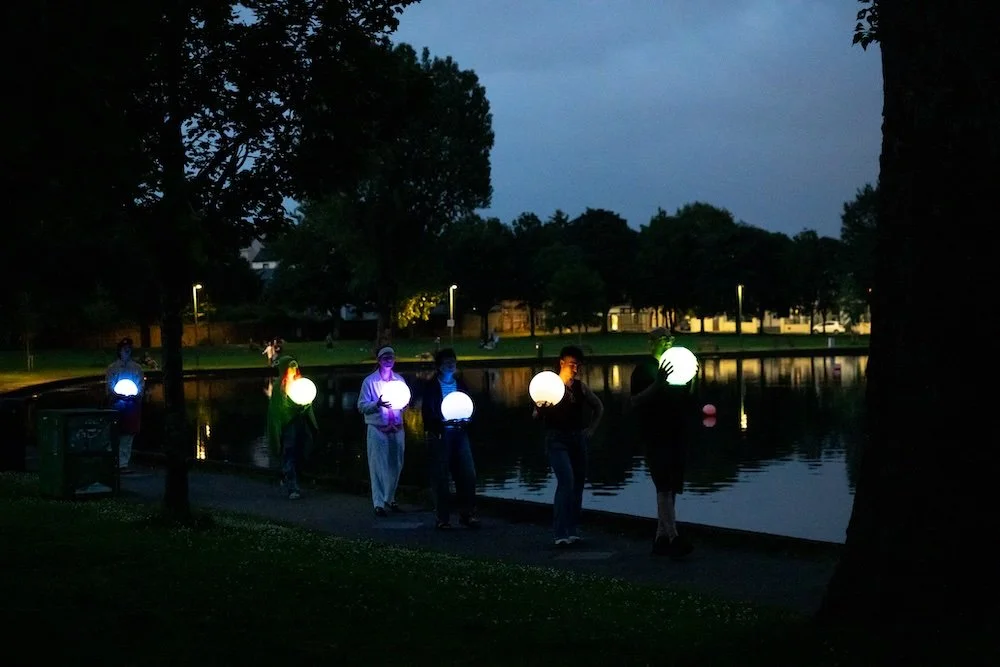
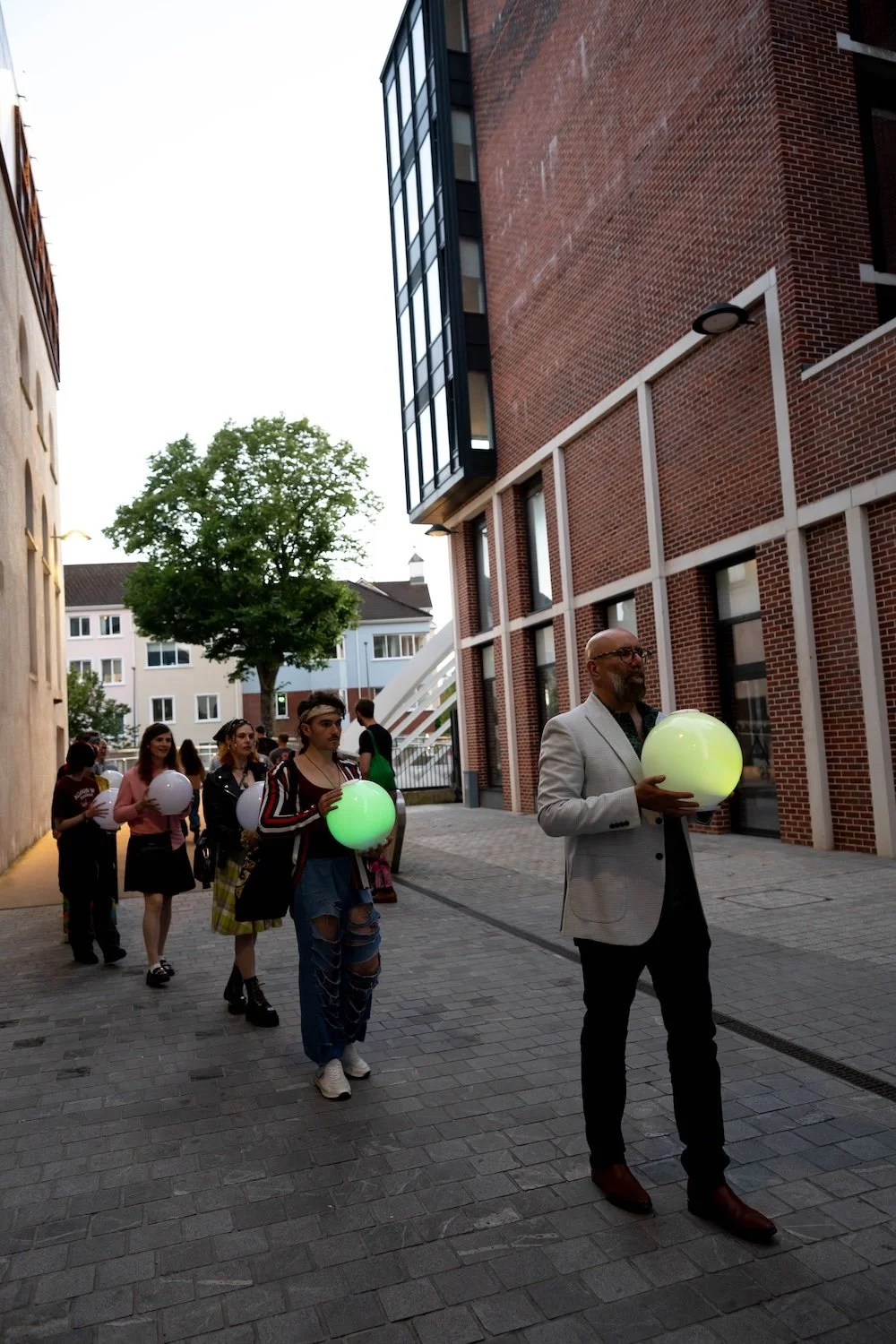
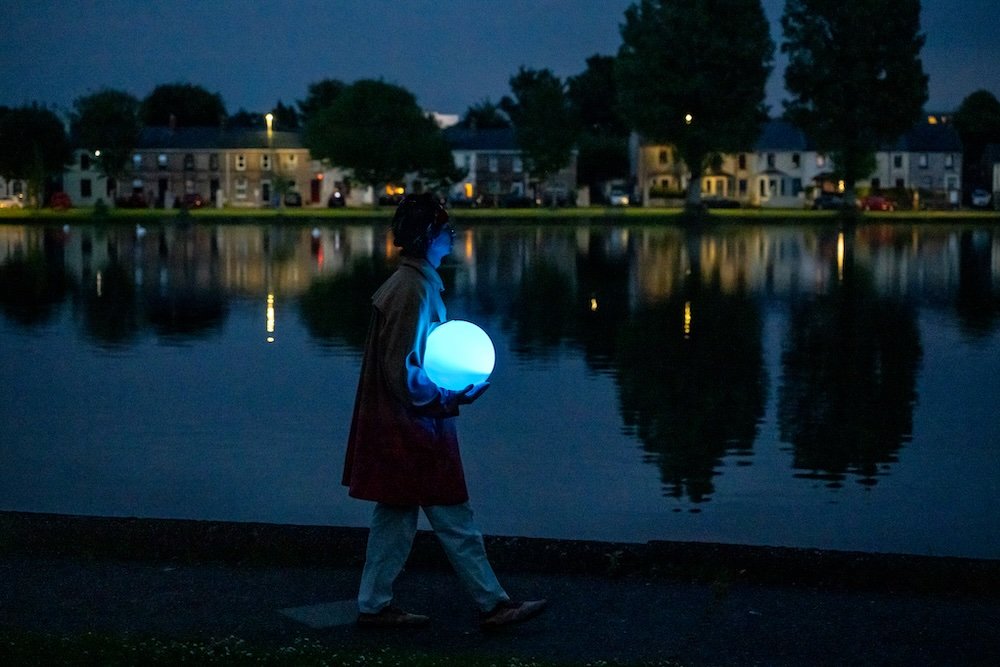
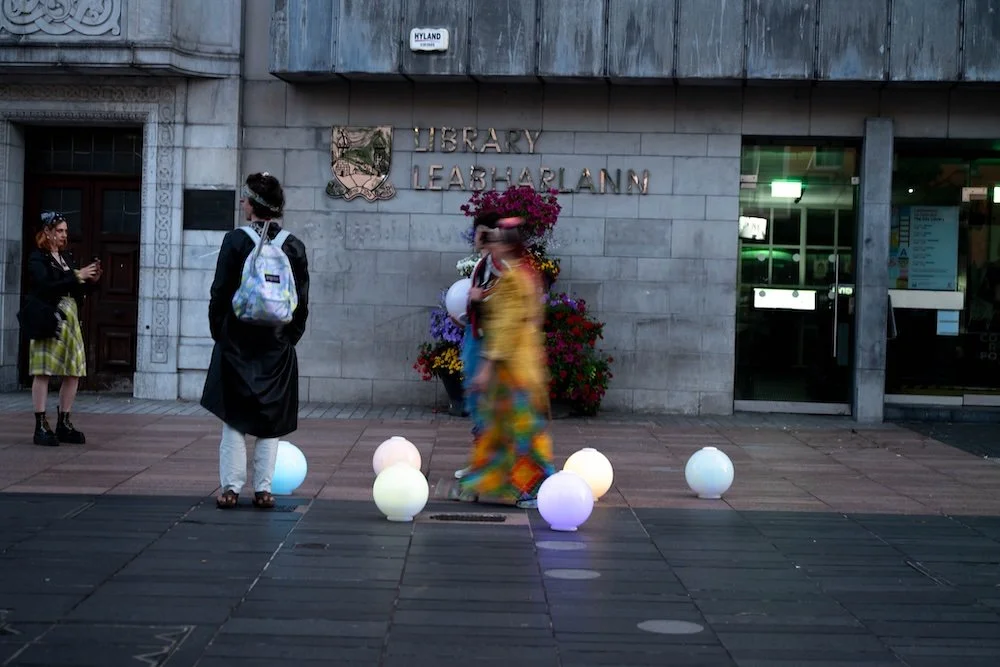
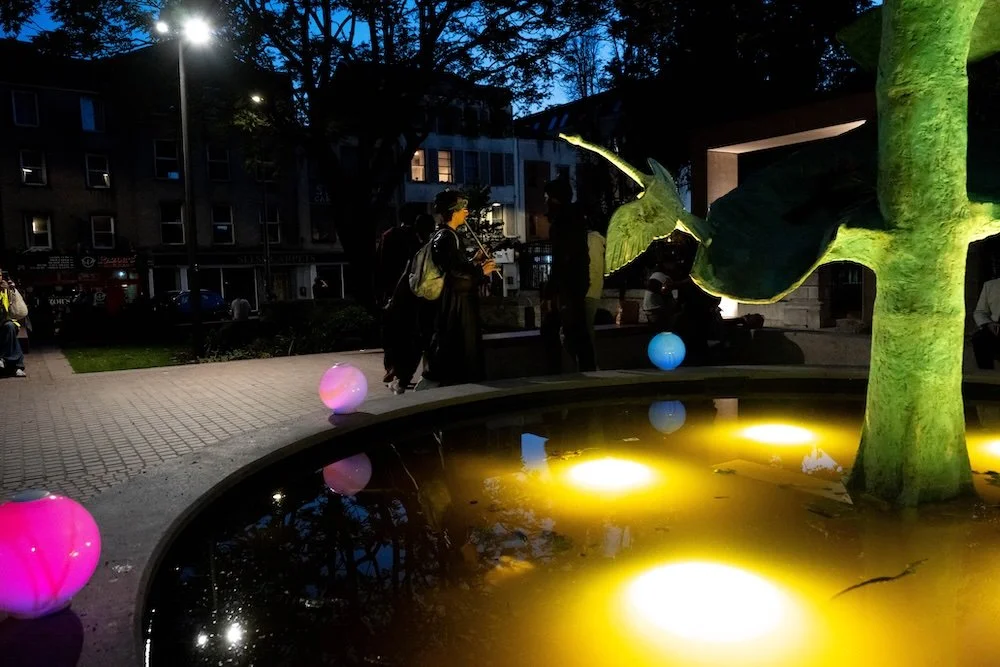
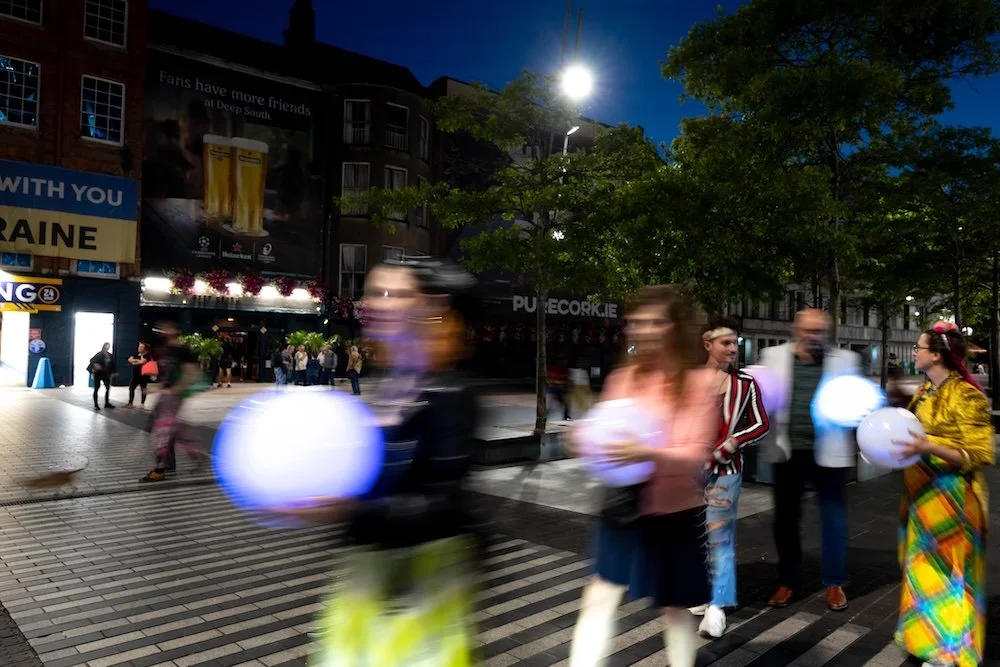
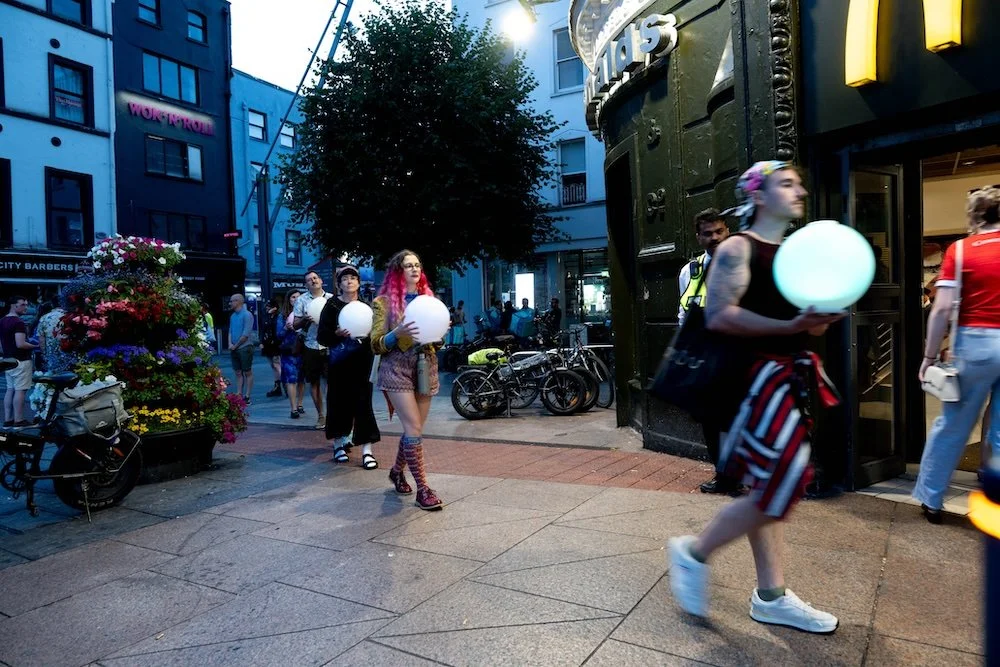
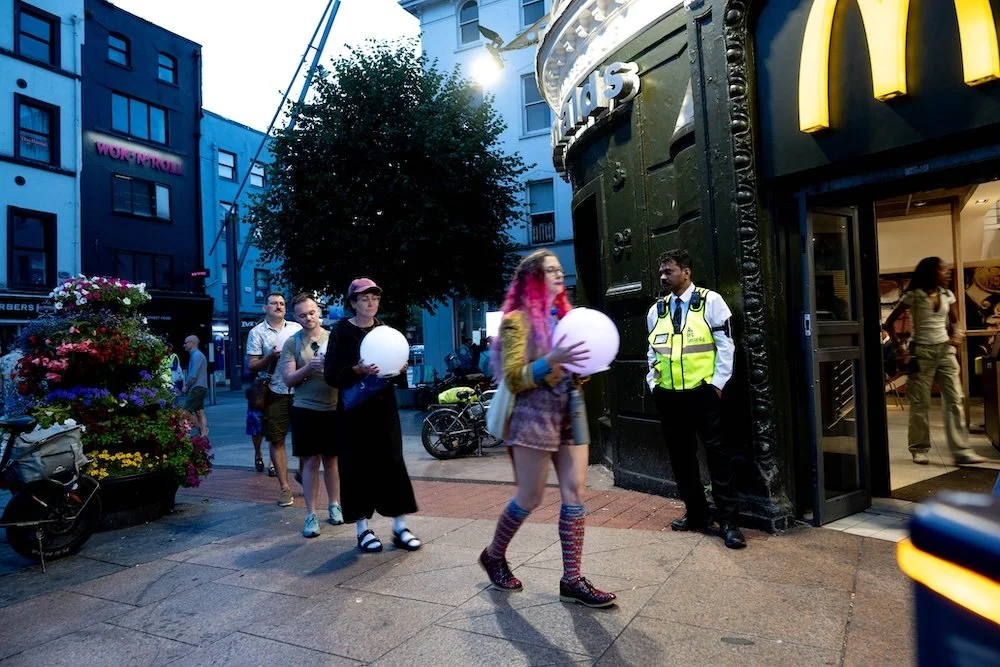
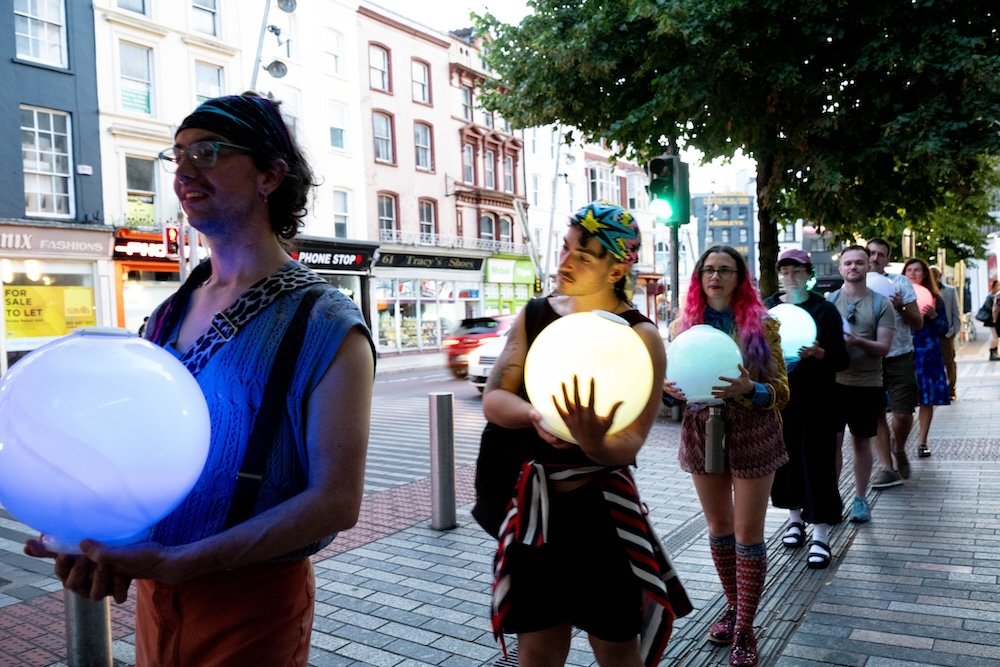
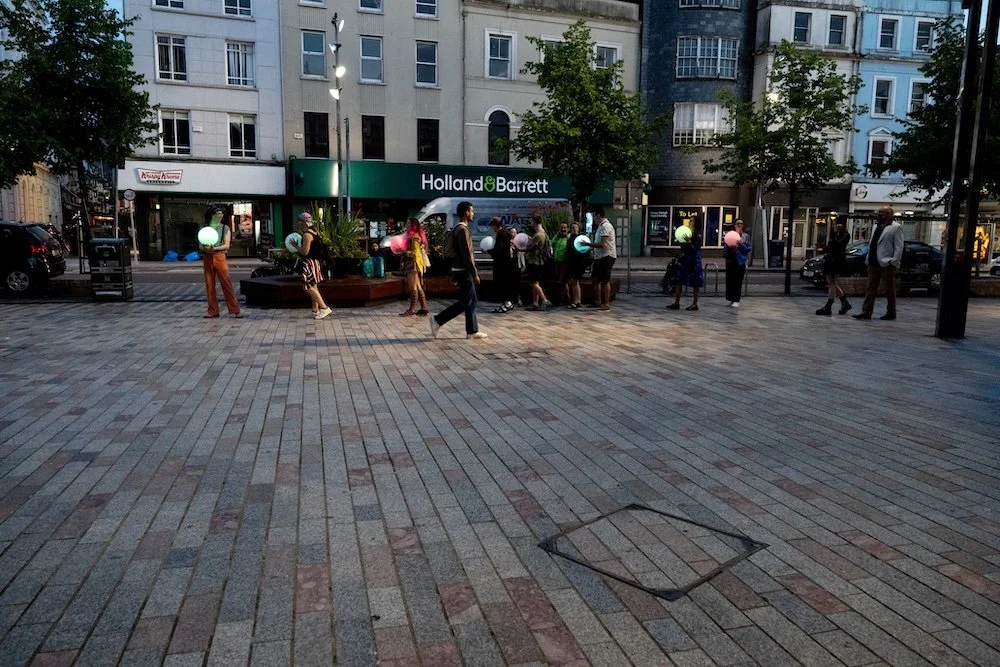
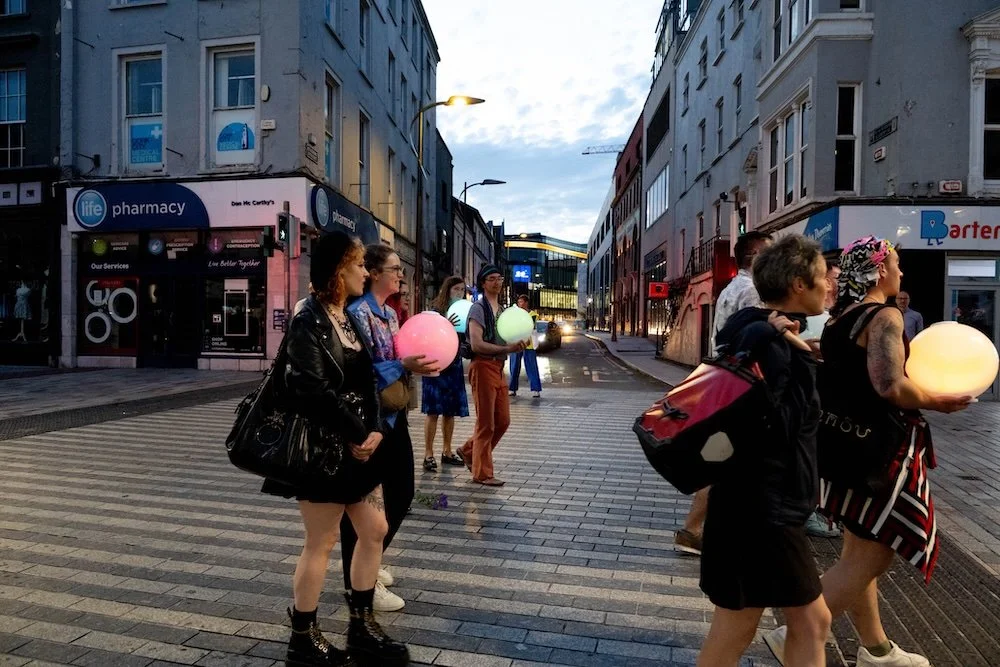
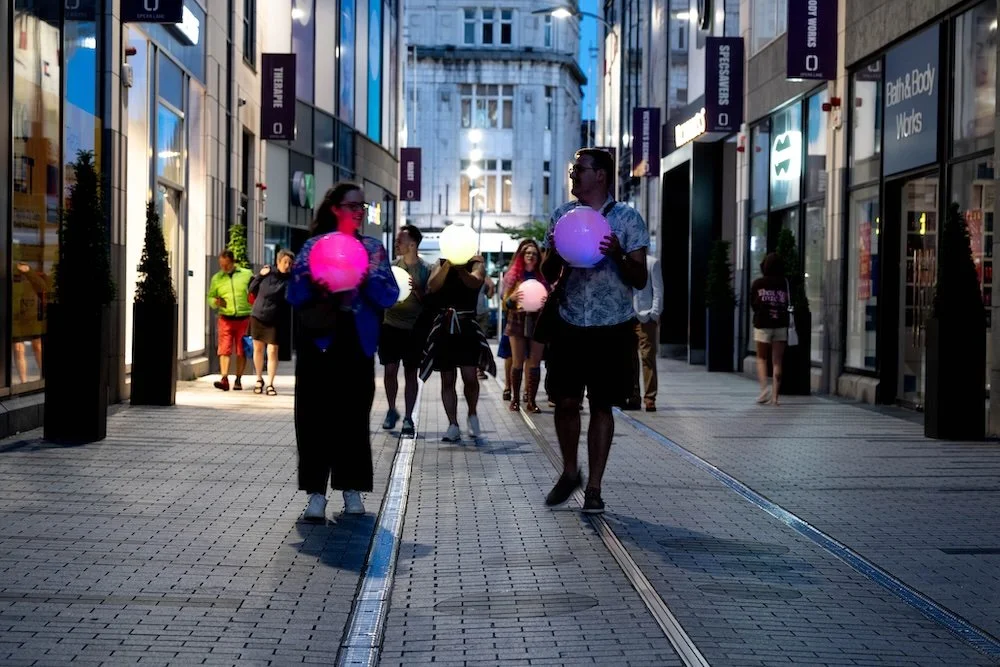
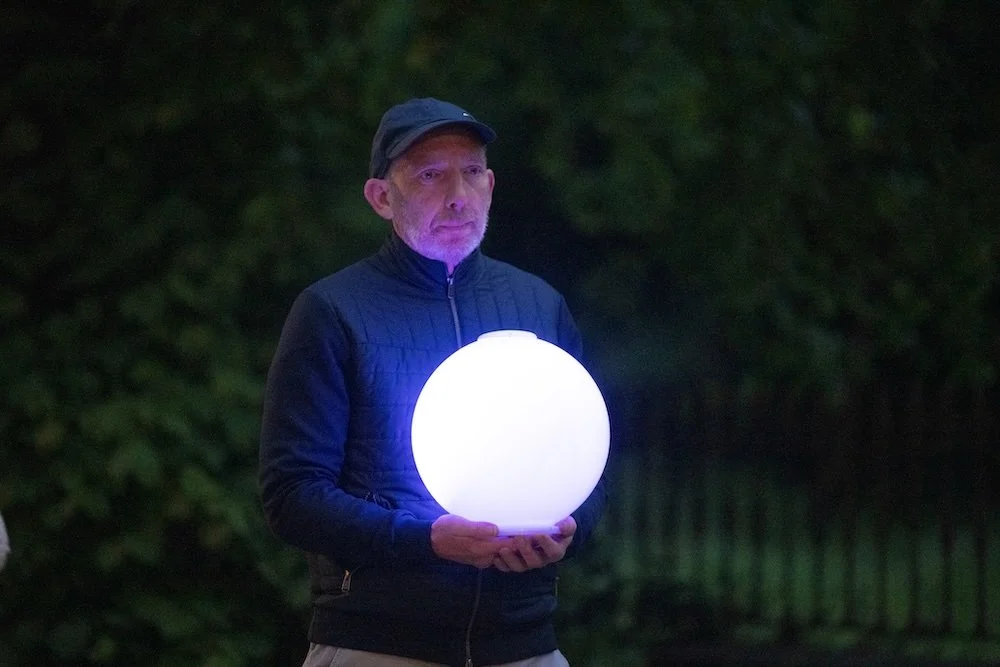
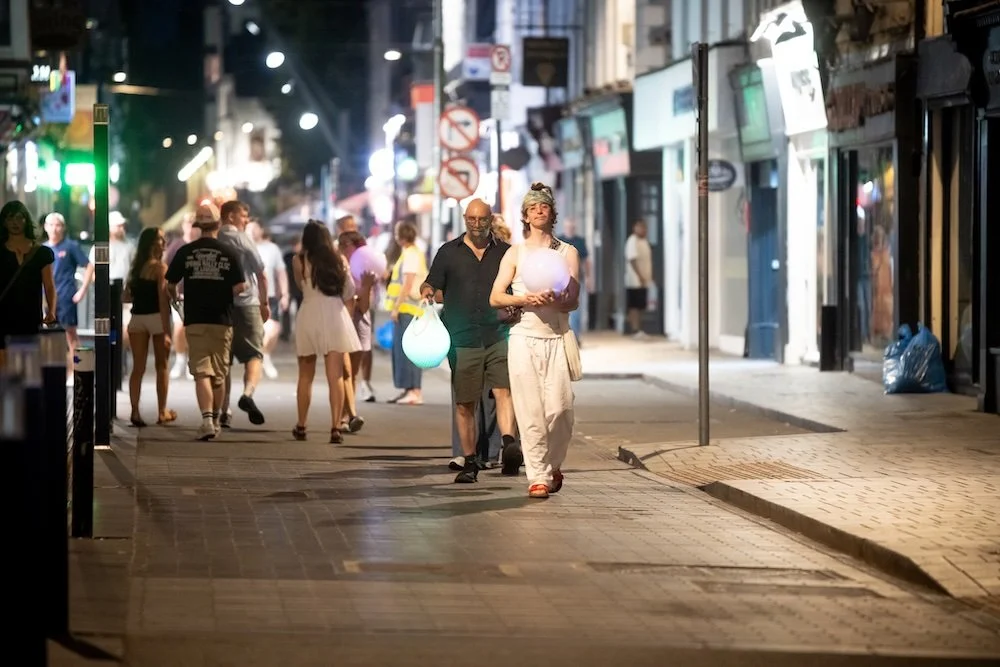
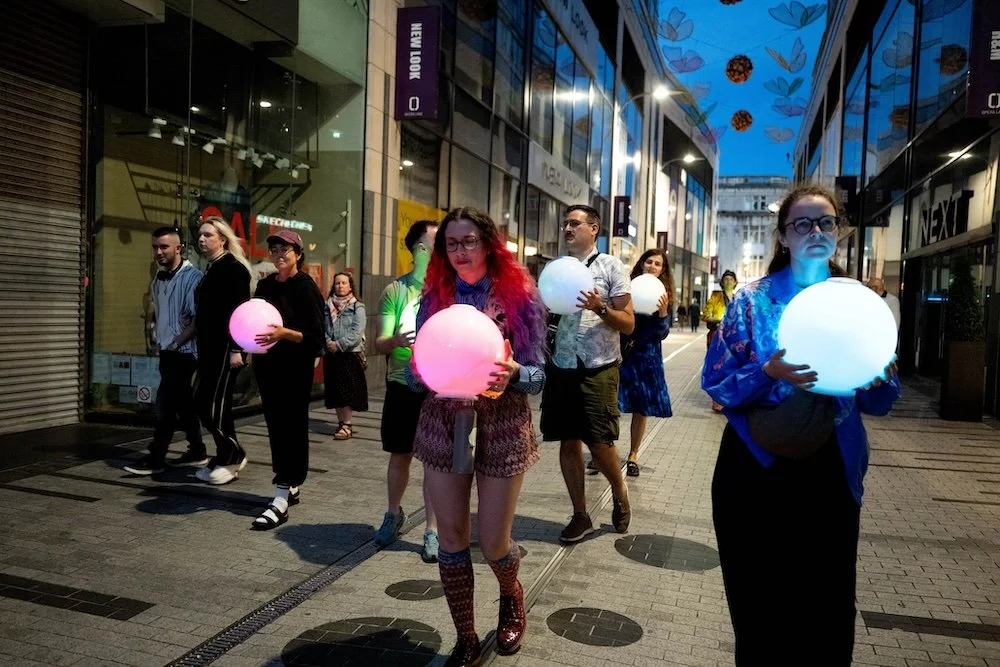
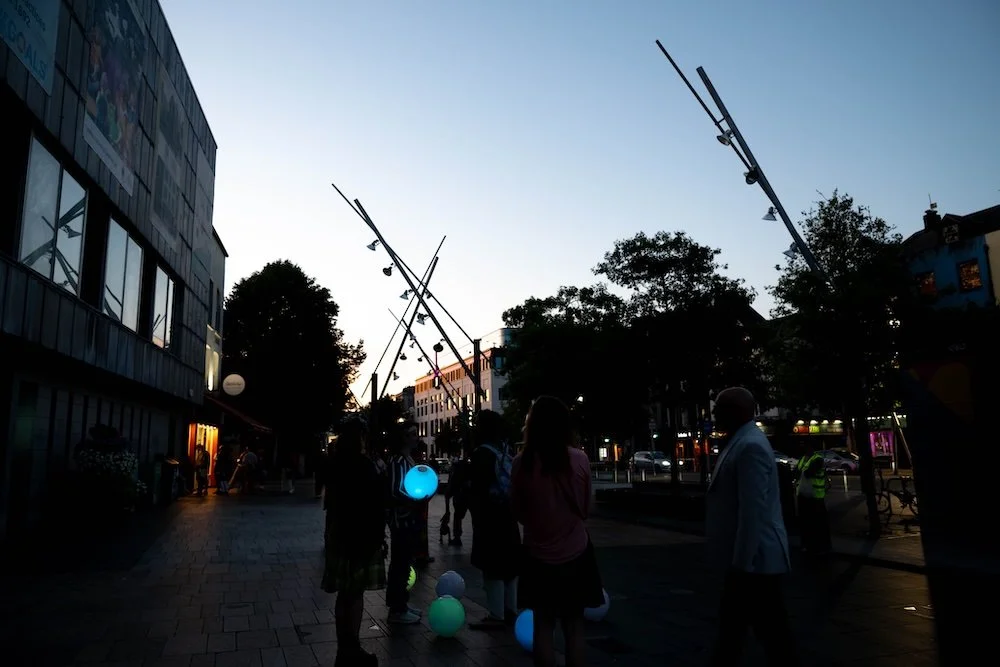
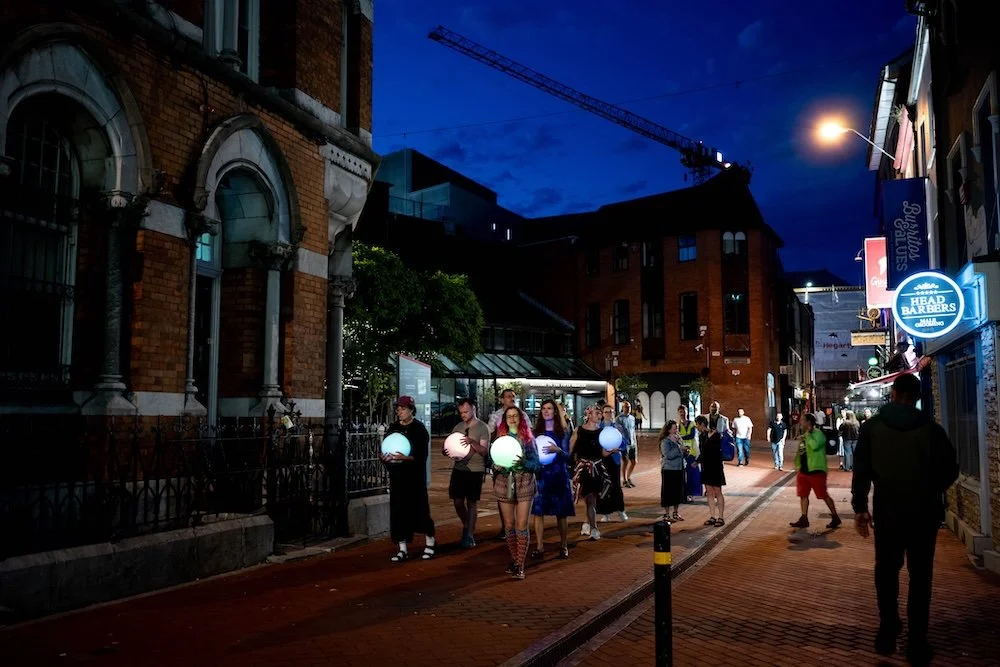
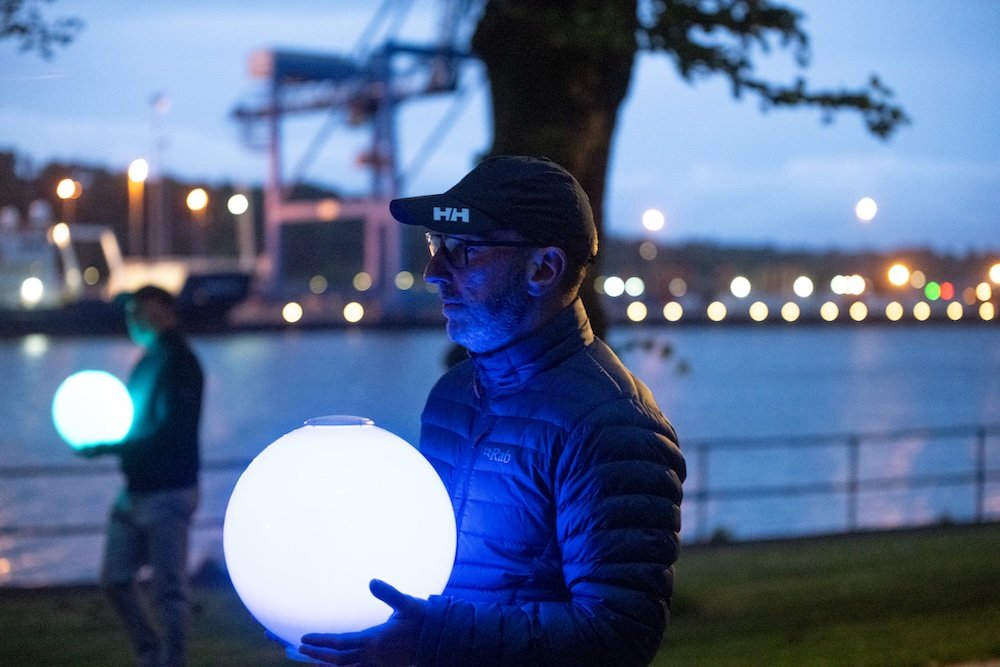
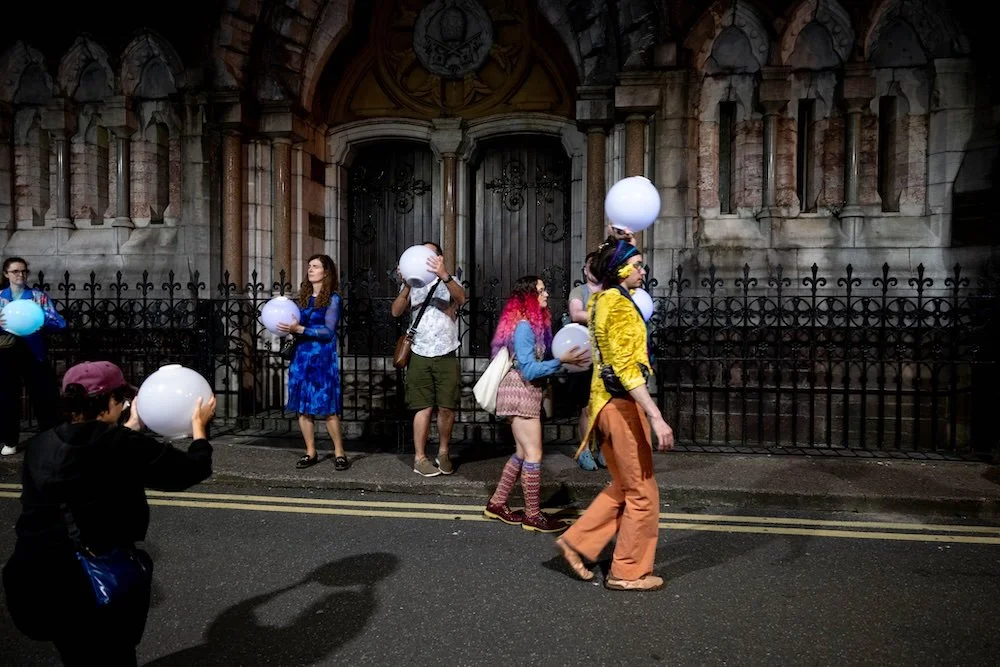
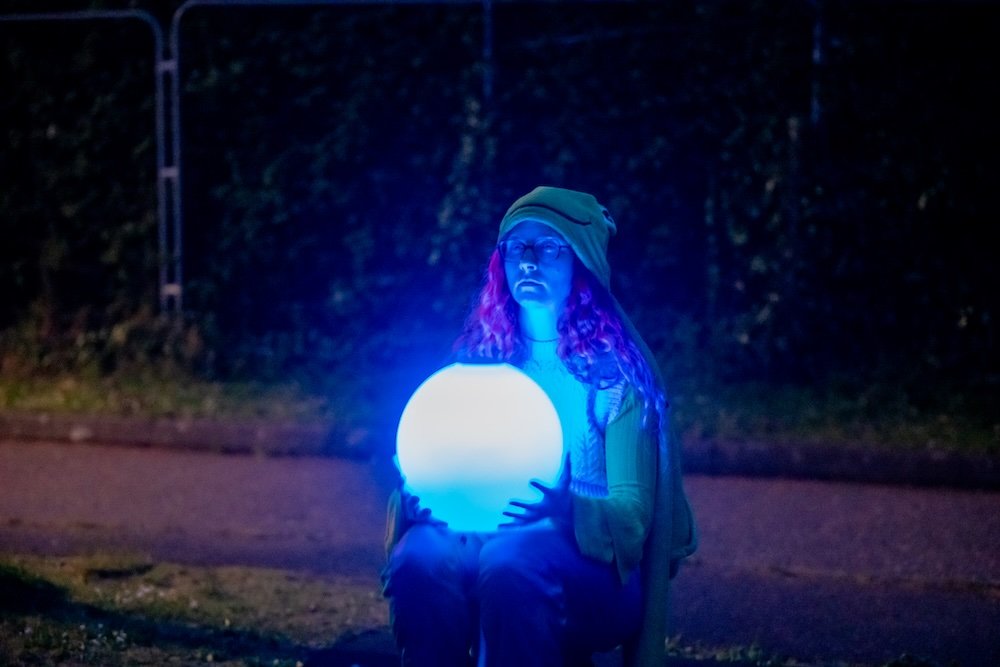
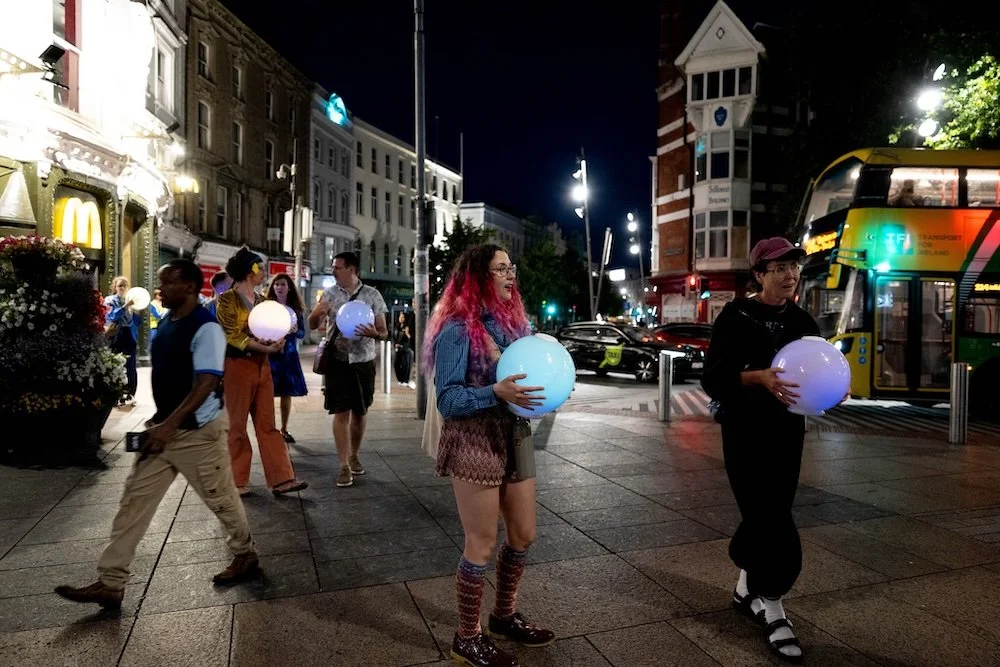
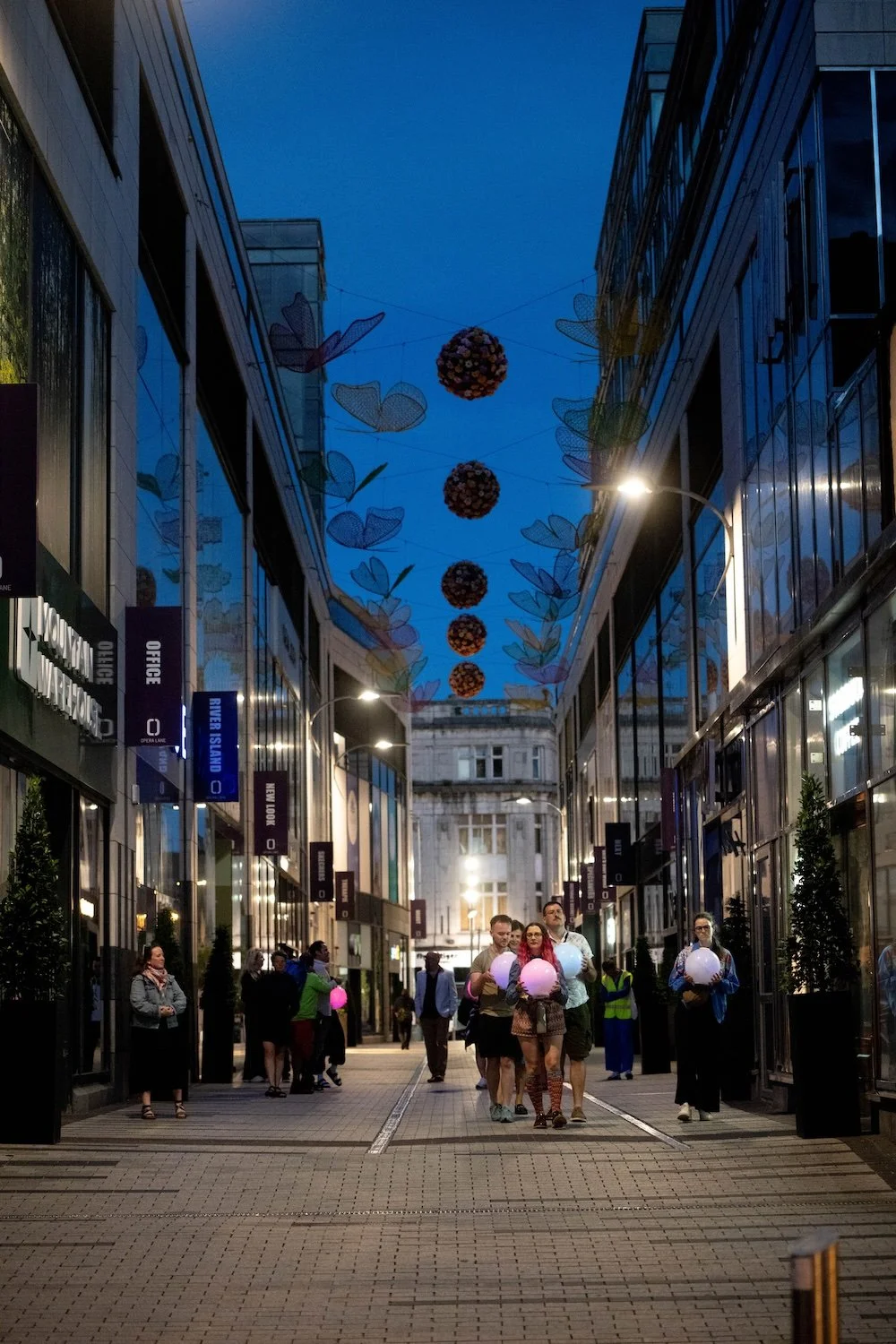
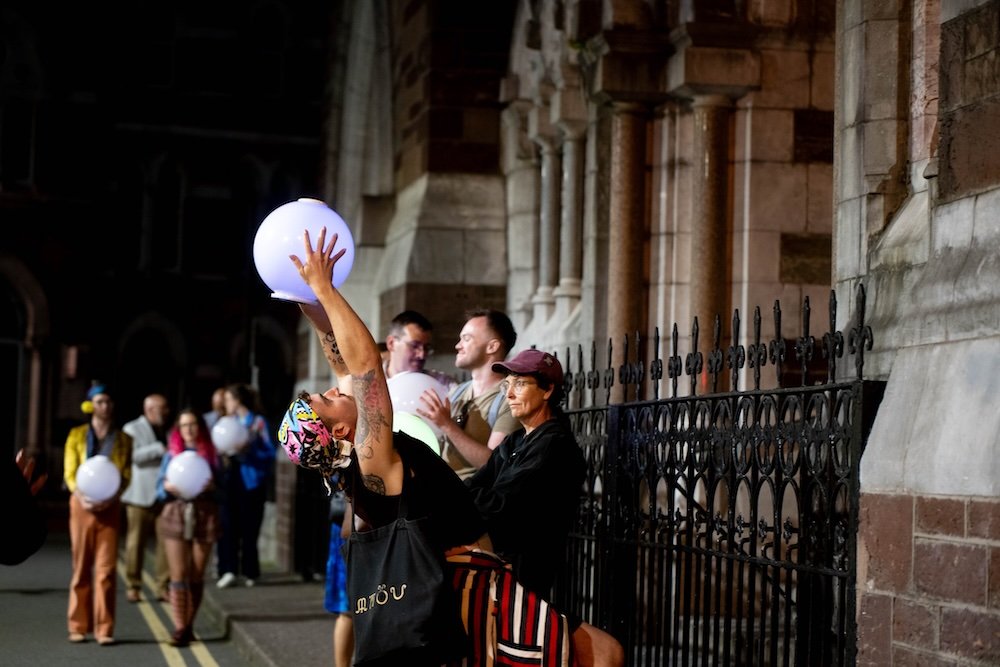
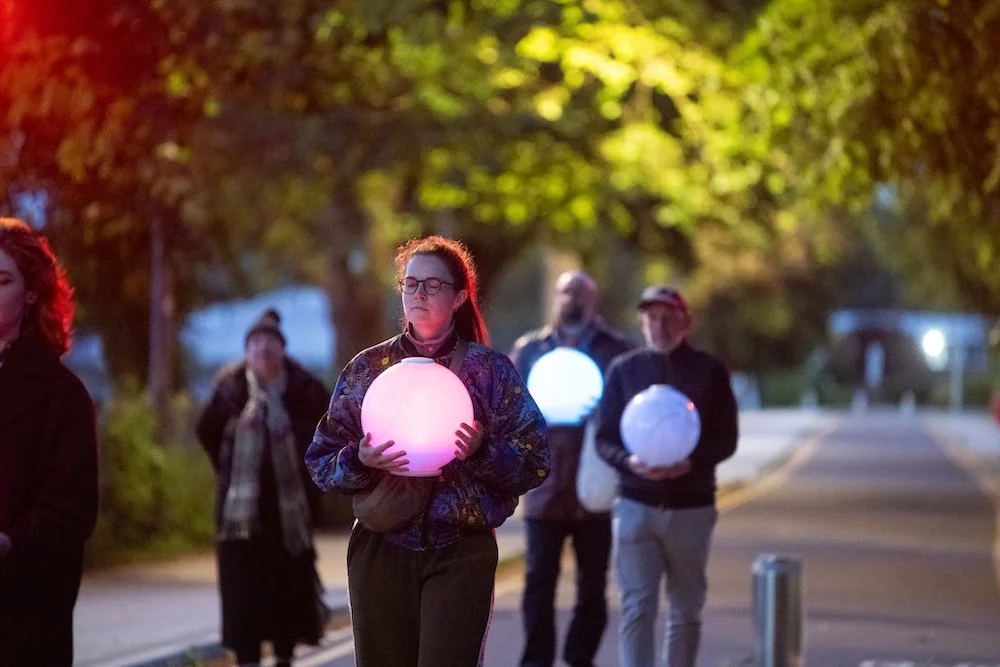
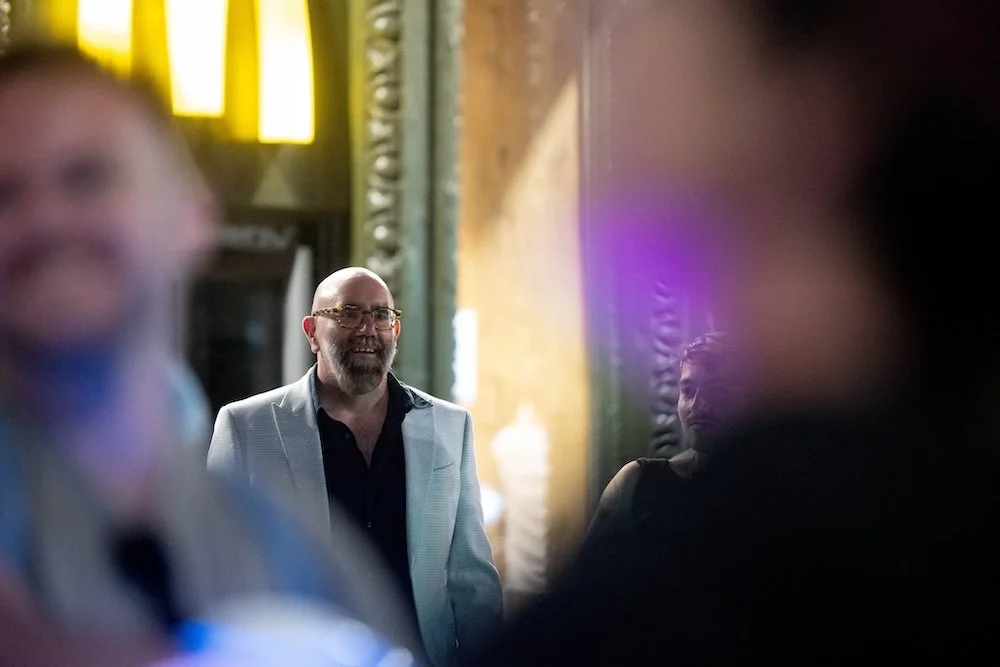
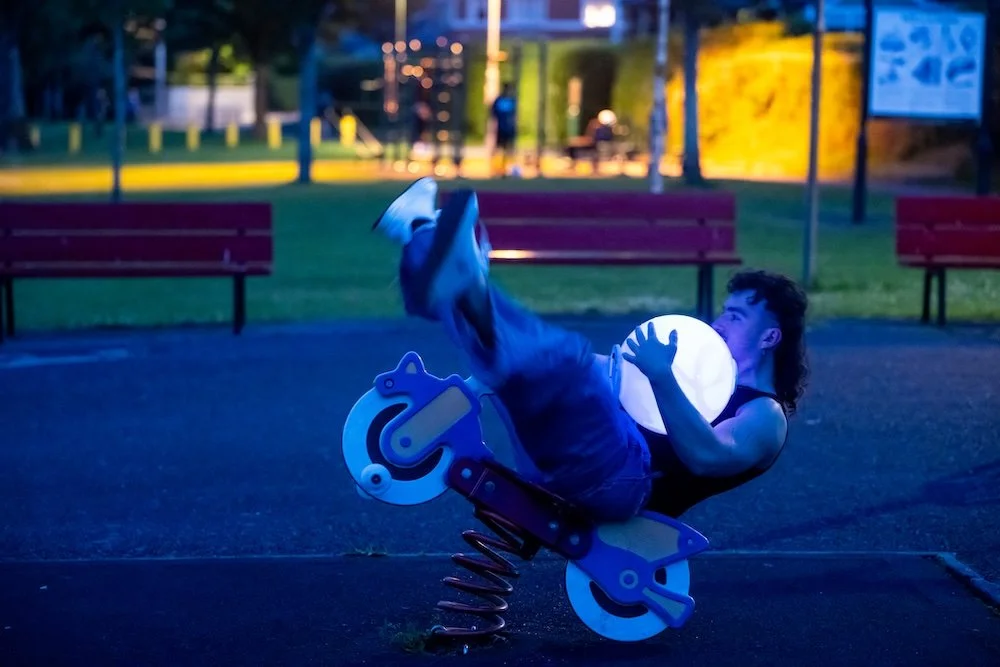
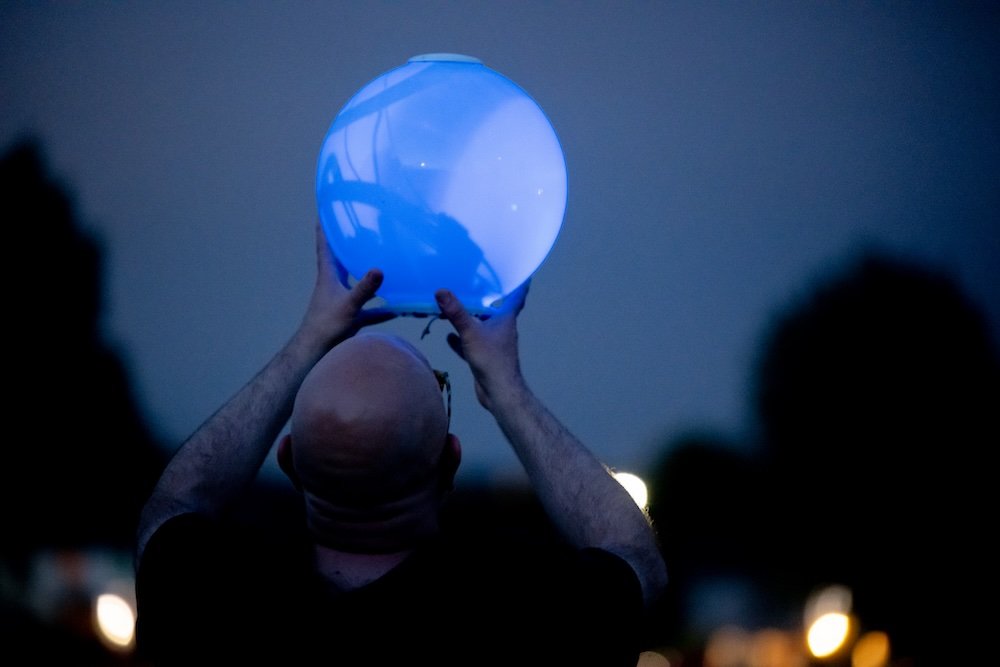
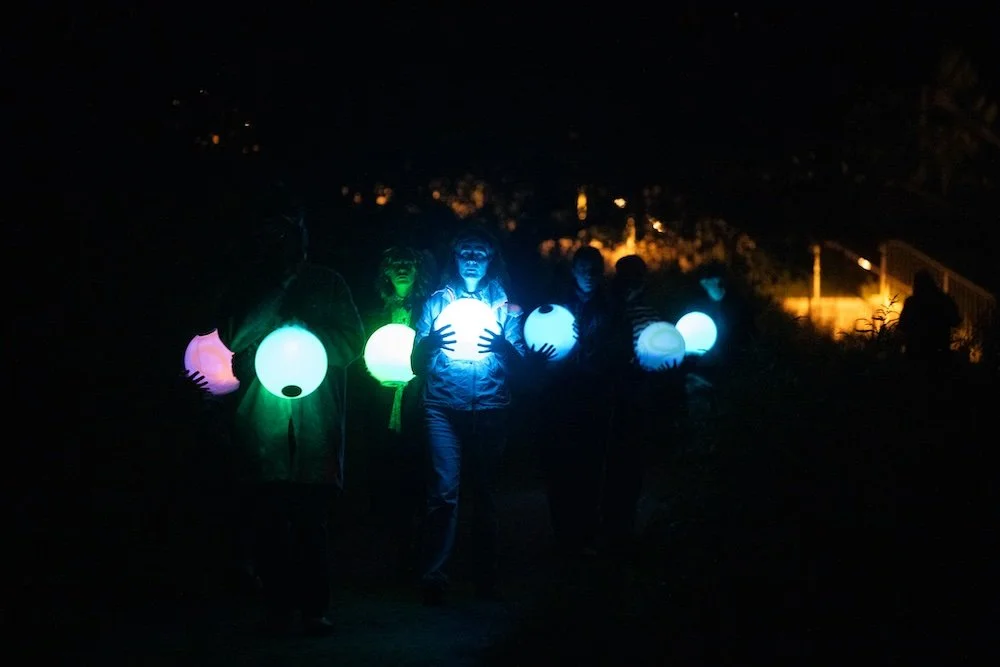
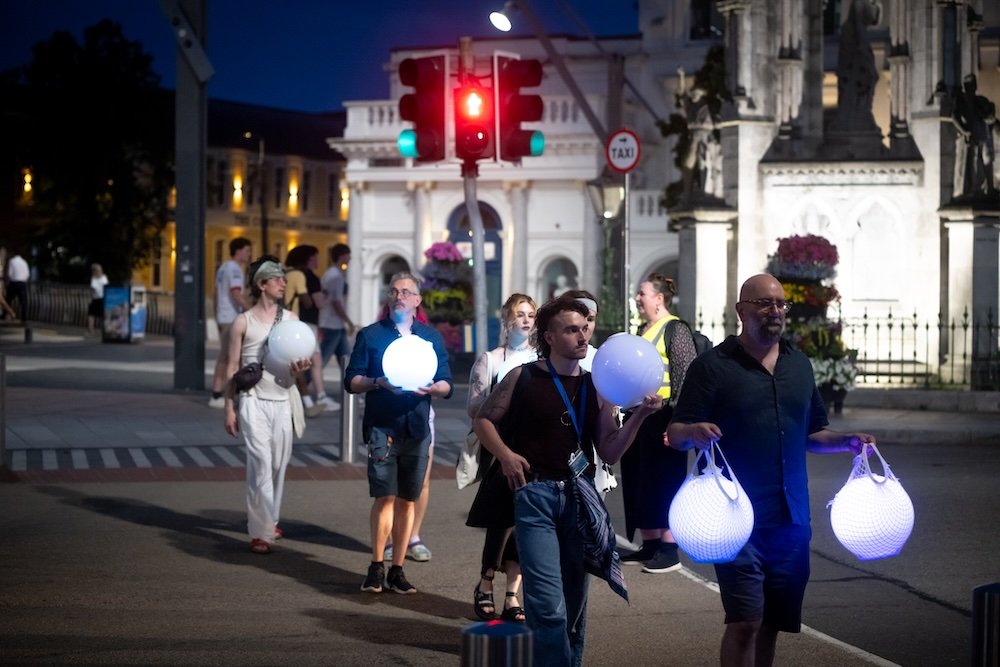
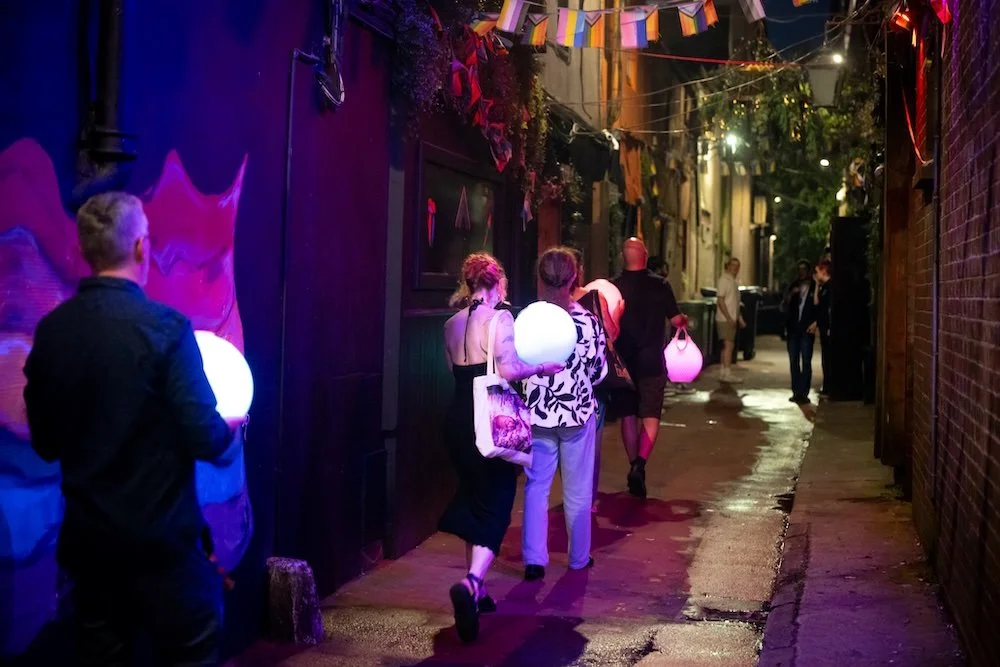
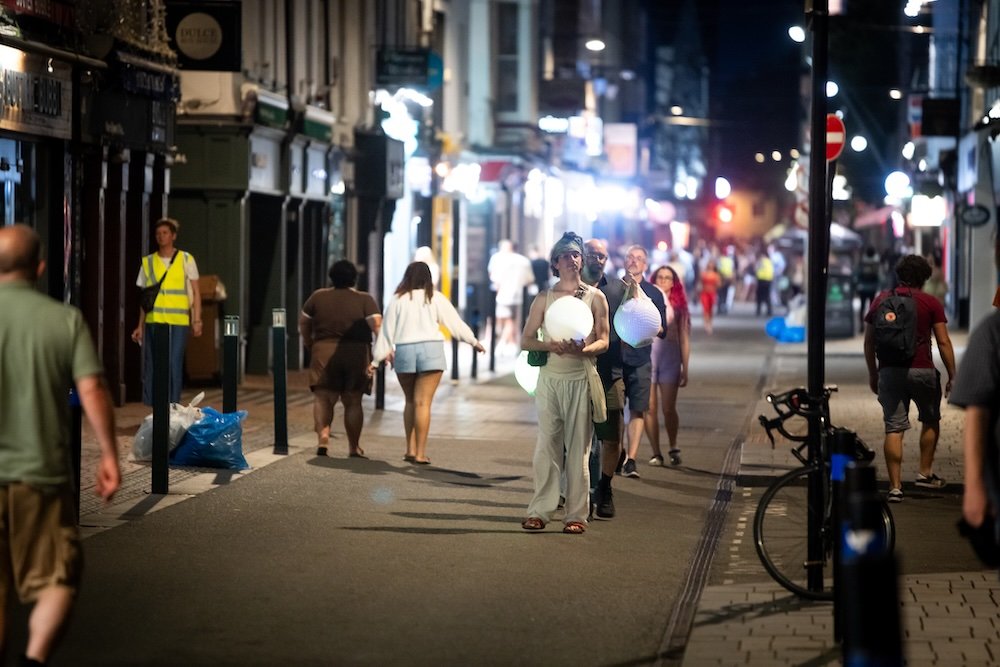
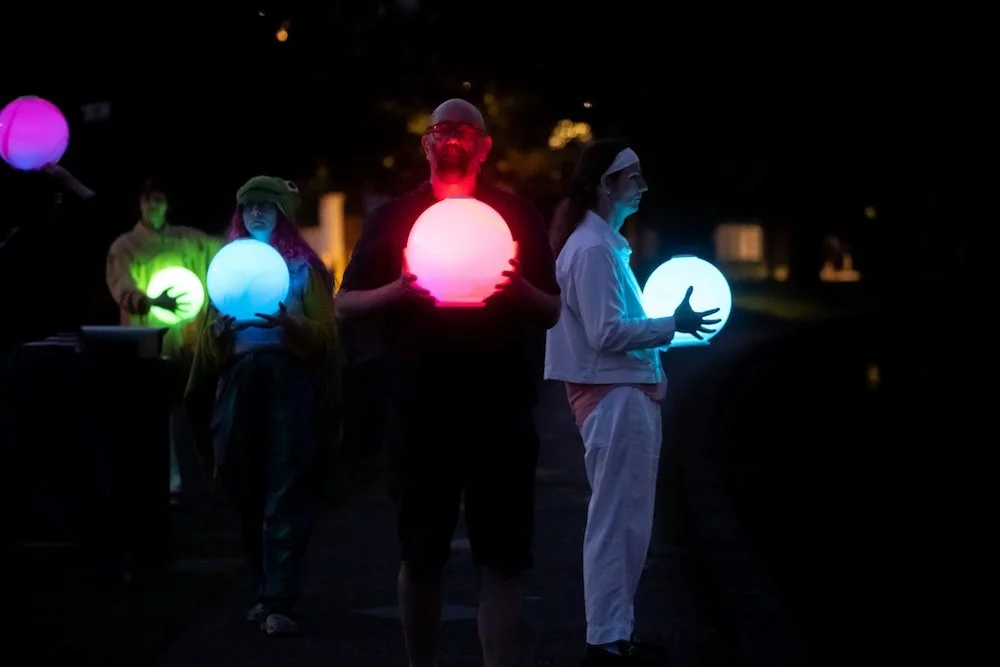
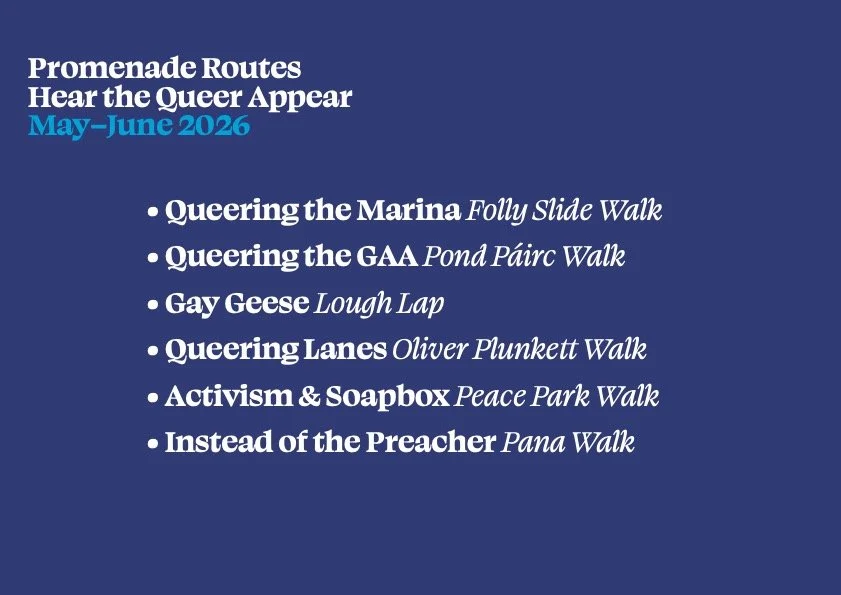
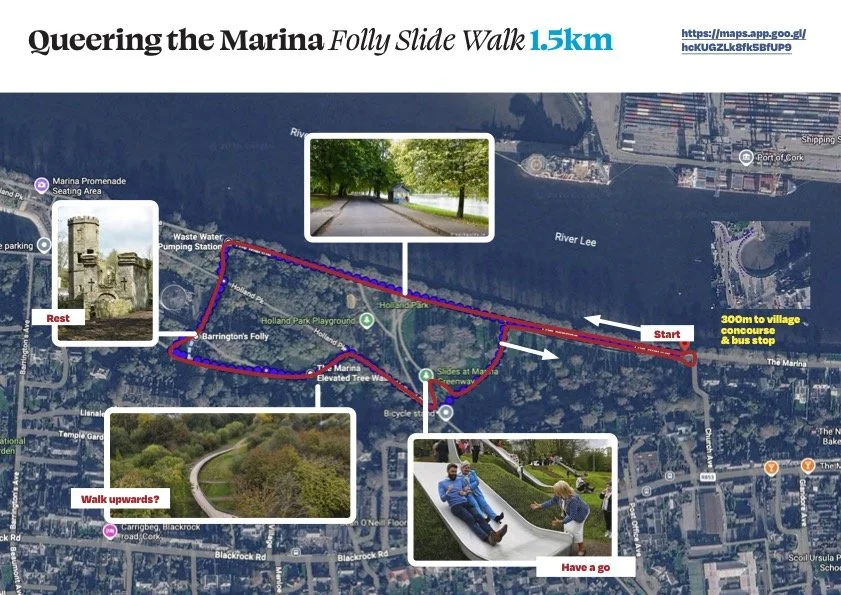
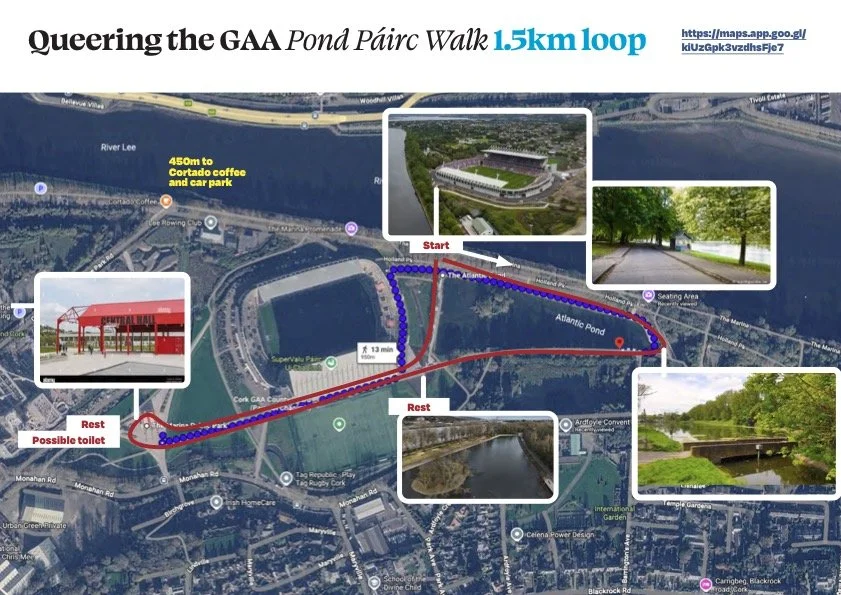
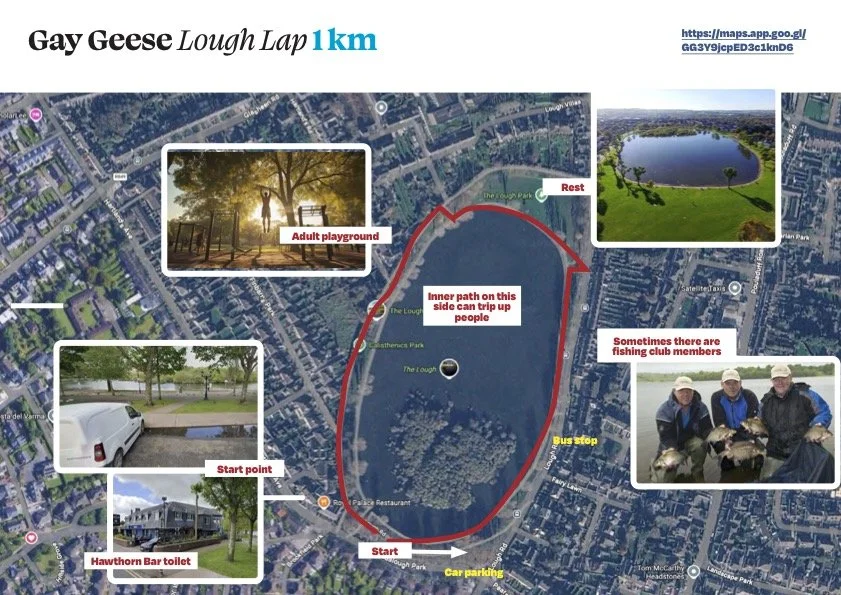
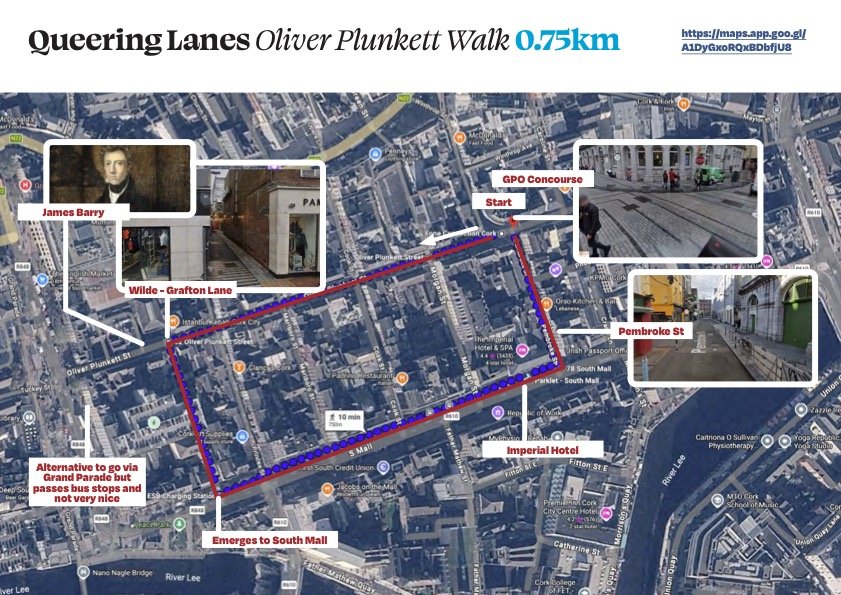
A compendium of selected promenades; all video by John Allen; below, click to see routes, courtesy collaborating artist Orlagh O’Brien.
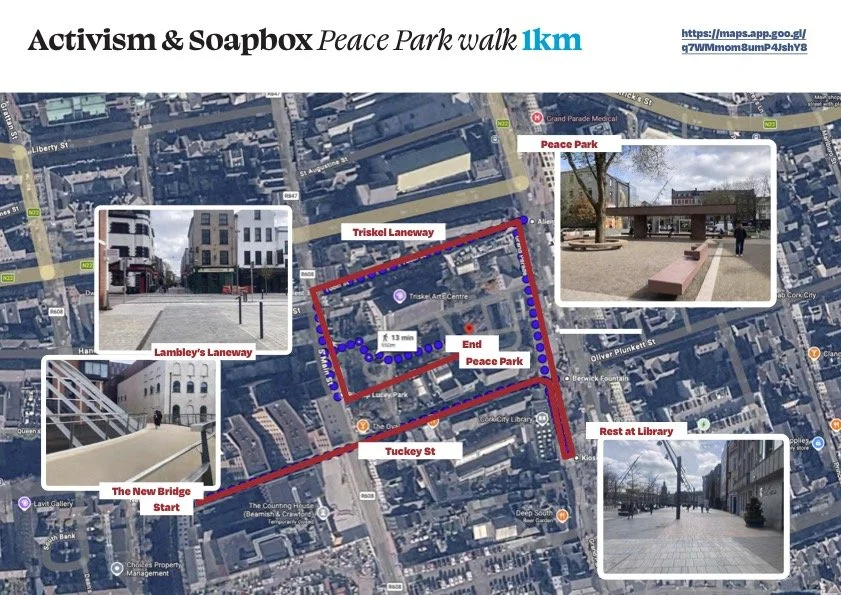
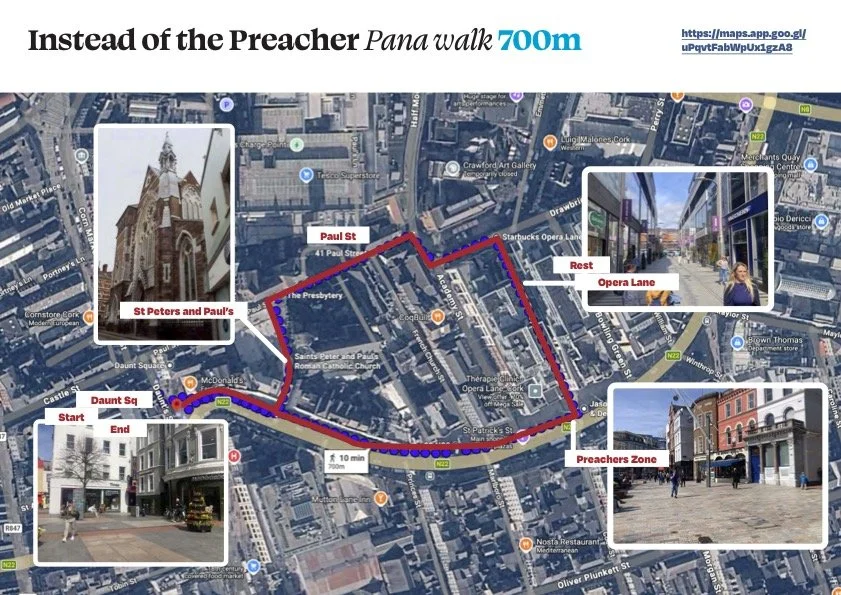
Hear the Queer Appear is one of the three-part suite of participatory art projects also named Hear the Queer Appear.
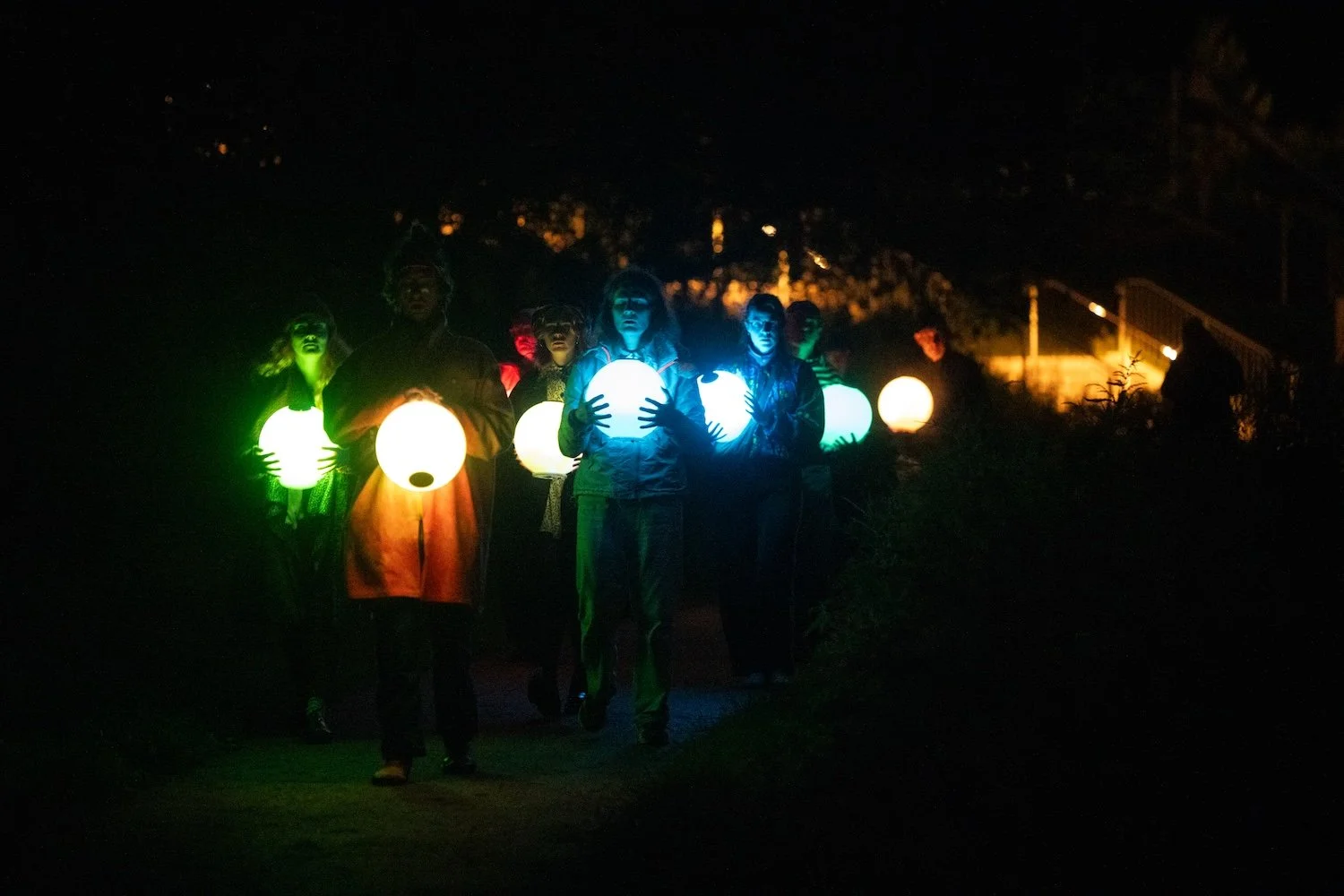
Sixteen members of Cork’s LGBTQI+ community were asked the question: ‘What would you like the wider public to know about your sexual orientation and/or gender identity that you think is most misunderstood?’ Their responses were recorded in their own voices, and put inside nine digitally animated, round orbs. These orbs lit up with the colours of the rainbow, changing exact shade of colour with the pitch of the speaker’s voice, and changing brightness with the loudness of the voice. Each orb contains all sixteen recordings, and plays them back randomly according to an algorithmic logic. Different lengths of pauses also take place.
During six pop-up promenades, the orbs appeared in the hands of walkers in the twilight in different types of spaces in Cork City, as light faded to darkness. The voices played out in public space, bringing the statements and views together. Professional artist guides and volunteers walked them through widely varied, themed spaces, designed and co-developed by artist Orlagh O’Brien. The spaces were themed and had resonance with some aspect of Queer life or history in Cork City. They were called: Queering the Marina, Gay Geese, Queering the GAA, Queering Lanes, Activism and Soapbox, and Instead of the Preacher.
The walks were genuinely pop-up: guerilla-style work. To enhance street safety for our walkers, we made the choice not to promote the promenades in advance.
In some places, we were an intriguing nighttime spectacle moving through urban nature-space. Sometimes, traffic drowned out the sound of the recorded voices. Sometimes people asked lively questions or had short or long conversations. Small numbers walked with us in order to share in the experience. We carried QR codes to inform passers-by about the nature of the work.
You might ask how this work brought full stories of participants into the public domain - the most narratively rich experience was for the people carrying, for certain. The walks were mostly experienced by wider passers-by as visual phenomena, and if they got closer, with an audio collage that allowed them to access parts of the speakers’ experience. But the walks themselves amplified the day to day presence of our Queer communities and re-presented a reality - we are sometimes visible, we are often colourful, we have stories to tell, but most of the time, we are also not those who are privileged to be accorded the authority of full public space. So, these promenades gently amplify that space. In line with Darren O’Donnell’s notions of art as ‘social acupuncture’, we appeared, and for transitory moments transformed parts of the city with our participants’ presence.
Like all of the projects in this suite, this work emerged from a desire to find three different ways for members of Cork’s Queer community to be represented in public space, without having to put their own bodies on the line. In a time where there is increasing political hostility toward our communities, this particular work celebrates our community’s views, variety, colour, and sonic texture. A performance built on similar sound recordings, called The Queer Appear, Here, is the third in this suite of works.
For full information about the project, dates of showings, and what’s next, visit its dedicated website, queerappearcork.com.
CREDITS: CONCEPT, YVON BONENFANT (HE/HIM); FABRICATION, SOUND ARTISTC, SOUND TREATMENT AND CODING: KINGSLEY ASH (HE/HIM); COLLABORATING ARTIST, SPATIAL DESIGN AND LOCATION OF WALKS: ORLAGH O’BRIEN; OUTDOOR ARTS PRODUCER: ROSE-ANNE KIDNEY; PRODUCER: YVONNE COUGHLAN (SHE/HER); LEAD STEWARDING ARTISTS: ABRA KEDAVRE (THEY/THEM), JUDE O’NEILL (THEY/THEM), MOSS RUSSELL (THEY/THEM). RECORDING ASSISTANT, ABRA KEDAVRE; 16 COMMUNITY MEMBERS VOLUNTEERED TO RECORD; AN ARRAY OF COMMUNITY MEMBERS WALKED WITH THE ORBS IN DIFFERENT LOCATIONS.